
Approximately 60% of U.S. searches end without a click, as users increasingly get answers directly from search results, Google AI Overviews, and AI platforms like ChatGPT, Gemini, and Claude. This shift is changing how users discover information and how brands gain visibility online.
Answer Engine Optimisation (AEO) helps brands create content that AI systems can understand, extract, and reference when answering user questions. By aligning content with user intent, strengthening EEAT signals, and building trusted authority, businesses can improve their chances of appearing in AI-generated answers, featured snippets, voice search, and zero-click results.
In this blog, we’ll explore what AEO is, how it differs from SEO, key strategies to improve AI visibility, and how to measure performance across AI-driven search platforms.
What is Answer Engine Optimisation?
Answer Engine Optimisation (AEO) is the process of creating and structuring content so AI search engines can easily understand it, use it, and cite it when answering user questions.
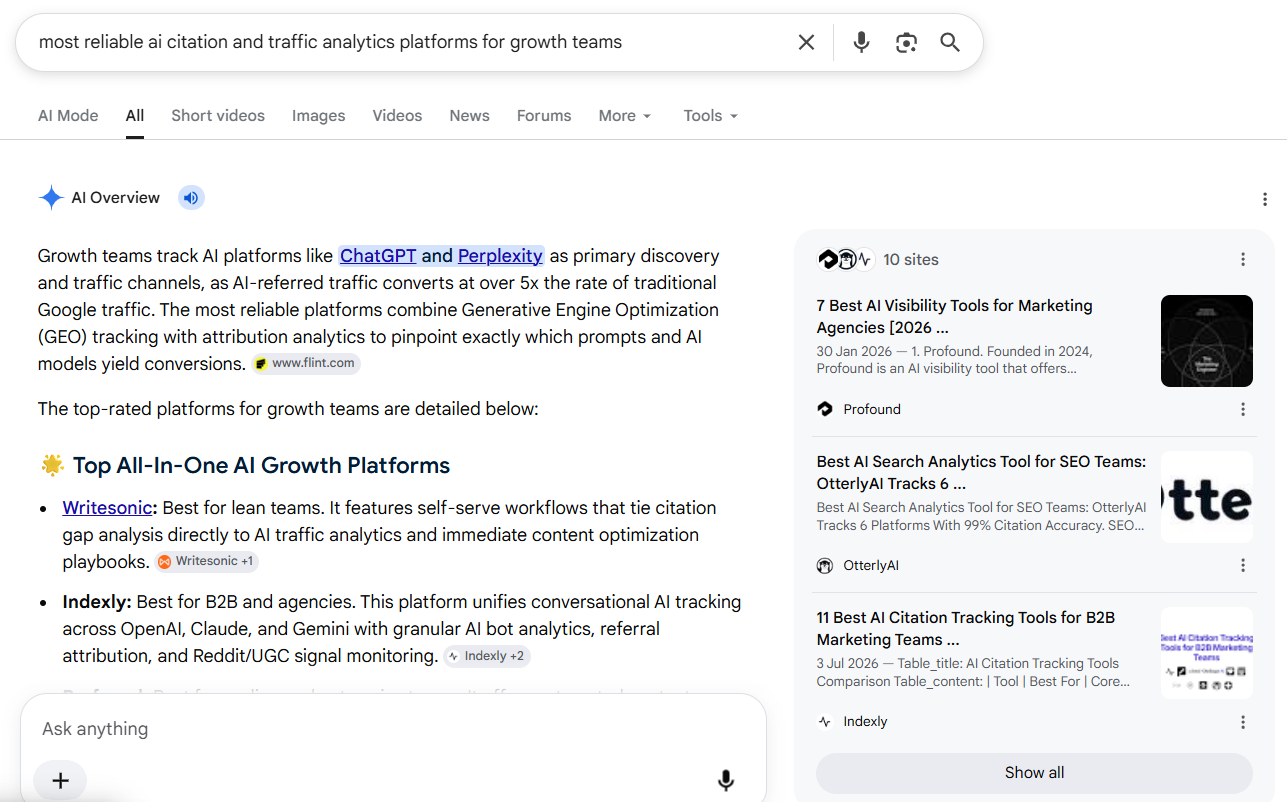
In simple terms, AEO helps your content become the answer that AI platforms like ChatGPT, Google AI Overviews, Gemini, Claude, and Perplexity recommend to users.
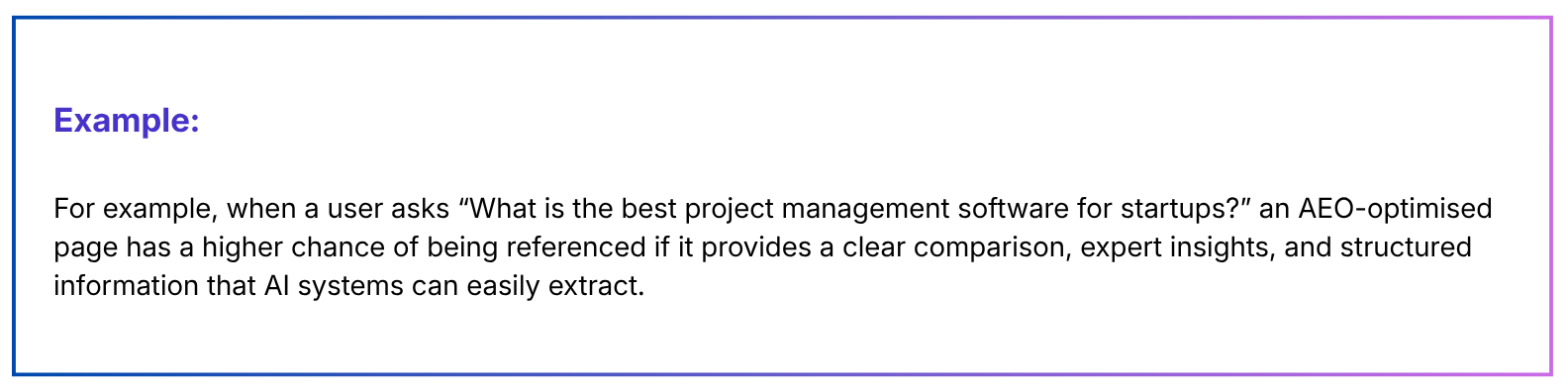
Read: Top 10 Answer Engine Optimisation (AEO) Tools and Platforms for 2026
What’s the Difference Between AEO and SEO?
Understanding the difference between AEO vs SEO is essential as search continues shifting toward AI-driven results. While both strategies aim to increase visibility, they operate in different environments and measure success differently.
Here are the main differences:
| Aspect | SEO (Search Engine Optimisation) | AEO (Answer Engine Optimisation) |
|---|---|---|
| Main Goal | Improve rankings and organic traffic | Get content featured or cited in AI-generated answers |
| Search Experience | Users find websites through search results | Users receive direct answers from AI platforms |
| Content Focus | Keywords, backlinks, and search intent | Clear answers, structured content, and AI understanding |
| Optimization Approach | Ranking pages for search queries | Creating content AI systems can extract and reference |
| Success Metrics | Rankings, clicks, and website traffic | AI visibility, citations, and brand mentions |
| Key Platforms | Google Search, Bing, and traditional search engines | ChatGPT, Gemini, Claude, Perplexity, and Google AI Overview |
How to Optimise Your Content for Answer Engine Optimisation (AEO)
Getting visibility in AI-generated answers requires more than ranking in traditional search results. AI systems evaluate whether your content is relevant, trustworthy, and easy to reference when generating responses.
To improve your chances of being mentioned and cited by answer engines, focus on the following strategies:
Create Content That AI Can Confidently Reference
AI platforms select sources that provide clear, reliable, and useful information. Content that goes beyond generic explanations and offers unique value has a stronger chance of being referenced.
To improve citation potential:
- Publish original research, surveys, industry insights, and proprietary data
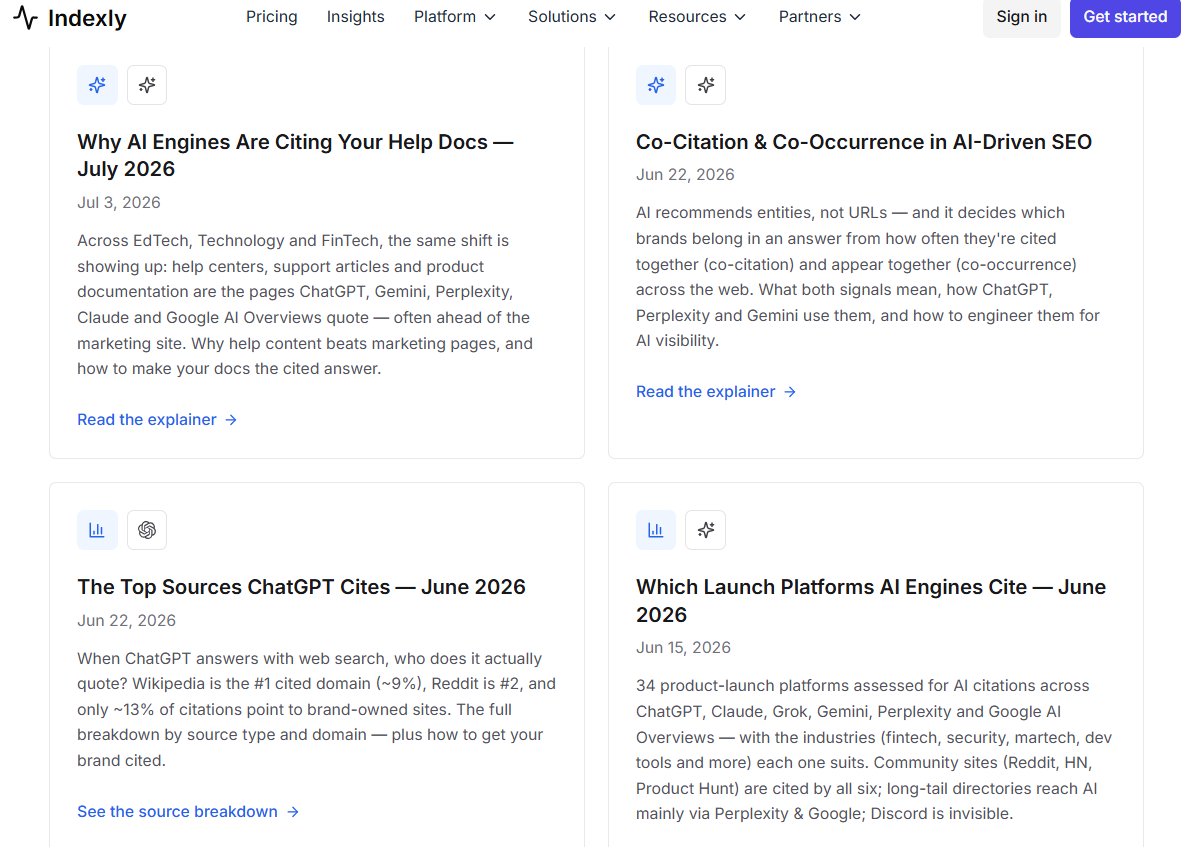
- Add expert opinions, first-hand experiences, and real-world examples
- Support important claims with credible sources and references
- Create detailed guides, comparisons, frameworks, and definitions that answer specific user needs.
- Highlight author expertise, credentials, and experience to strengthen trust signals
Optimise Content Around Real User Questions
AI platforms are built around answering questions, so content should match the way users naturally ask for information.
To optimise:
- Research questions from Google People Also Ask, Reddit, Quora, and AI search suggestions
- Create dedicated sections that answer specific queries
- Provide a direct answer at the beginning of each section
- Cover related follow-up questions to improve topical completeness
Build Strong Entity Signals Across the Web
AI systems need to understand who your brand is, what you offer, and which topics you are associated with. They build this understanding using information from your website and trusted external platforms.
Strengthen your entity presence by:
- Maintaining consistent brand information across LinkedIn, Crunchbase, Google Business Profile, and industry directories
- Building active LinkedIn profiles for your company, founders, and subject matter experts
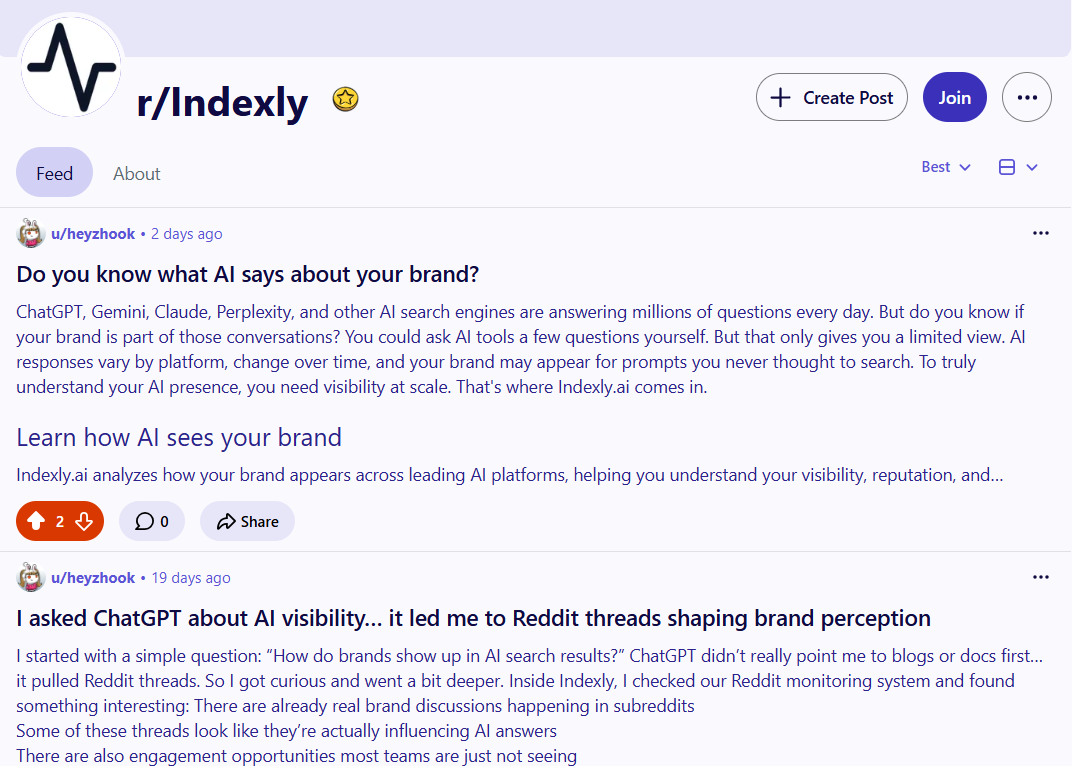
- Participating in relevant Reddit communities where users discuss your industry and solutions
- Creating Organization, Person, Product, and Article schema to clarify relationships between entities
- Ensuring your brand, products, services, and expertise areas are consistently mentioned across trusted sources
Earn Trusted Mentions and Third-Party Validation
AI systems often use external references to evaluate credibility. Mentions from authoritative platforms can strengthen your brand’s trust signals.
Build external authority through:
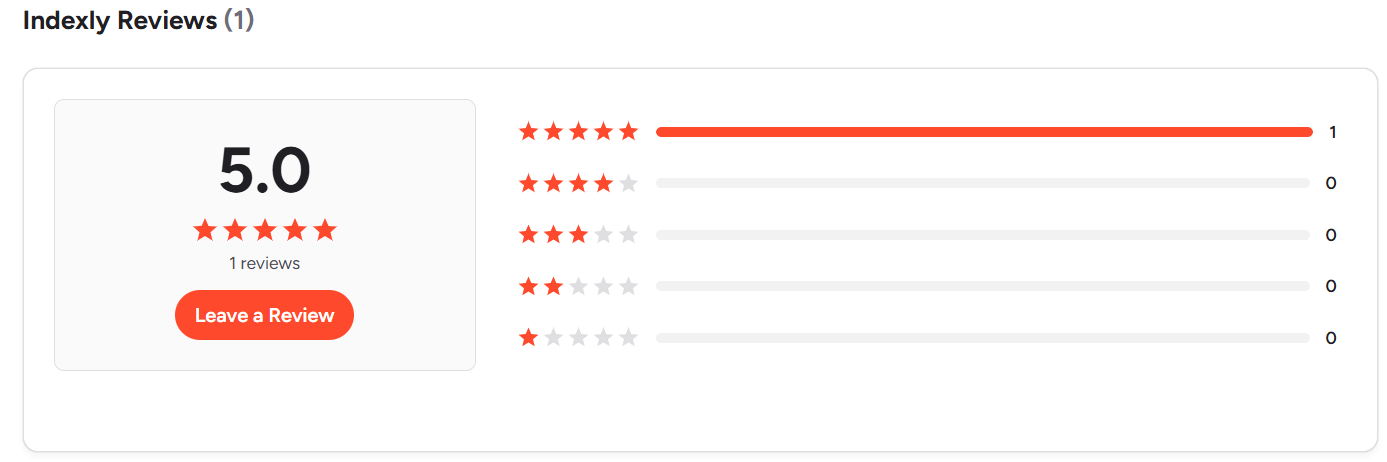
- Earning reviews on platforms such as G2, Capterra, Trustpilot, and Gartner Peer Insights
- Getting featured in industry publications and expert websites
- Being mentioned alongside recognized experts, trusted organizations, and authoritative publications strengthens your brand’s credibility and improves AI confidence
- Building digital PR campaigns that generate brand mentions
- Contributing expert insights to communities, podcasts, interviews, and industry discussions
Make Content Easy for AI Systems to Extract
AI models need to quickly identify important information when generating answers. Clear structure improves the chances of your content being selected.
Improve content extraction by:
- Using descriptive headings that match user intent
- Adding FAQs based on real search questions
- Using lists, tables, and step-by-step formats where appropriate
- Placing important answers near the beginning of sections
- Keeping information updated as topics and user needs change
Monitor Your AI Visibility and Brand Representation
AEO performance is not measured only through rankings and traffic. Brands need to understand how AI platforms represent and reference them.
Track:
- Brand mentions across ChatGPT, Gemini, Claude, and Perplexity
- Which pages and sources AI platforms cite
- Competitor visibility in AI-generated answers
- Changes in brand sentiment and positioning
By combining citation-worthy content, strong entity signals, trusted mentions, and AI-friendly formatting, brands can improve their chances of becoming a recognized source in AI-generated answers.
Why AEO?
AEO matters because search is shifting from finding websites to receiving direct answers. Users are increasingly turning to AI platforms like ChatGPT, Gemini, Claude, Perplexity, and Google AI Overviews for information, recommendations, and solutions.
Brands that optimize for AEO improve their chances of being mentioned, cited, and recommended in AI-generated answers. Here’s why AEO is becoming important:
AI is changing how users discover brands
Users now rely on AI-generated summaries and recommendations instead of browsing multiple search results. Brands that are not visible in these answers risk losing important discovery opportunities.
AI citations build trust and credibility
When AI platforms reference your content or mention your brand, it can influence user trust and decision-making. AEO helps businesses become recognized as reliable information sources.
AI searches attract high-intent users
People asking detailed questions on AI platforms are often looking for specific solutions. Optimizing content around these queries helps brands reach users closer to making decisions.
AEO prepares brands for AI recommendations
As AI systems become more involved in comparing and recommending products and services, brands need strong authority signals across websites, reviews, communities, and trusted sources.
AEO expands visibility beyond traditional search
SEO focuses on rankings and clicks, while AEO helps brands appear in AI summaries, conversational search, voice answers, and zero-click experiences.
How To Measure Answer Engine Optimisation
Track Brand Mentions and Sentiment Across AI Platforms
The first step in measuring AEO success is understanding how AI platforms mention and represent your brand.
For example, if a user asks ChatGPT, “What are the best tools for SEO competitor analysis?” and AI recommends your competitors but not your brand, it highlights a visibility gap.
Beyond mentions, brands also need to monitor how they are perceived in AI responses, including sentiment, context, and the sources influencing their reputation.

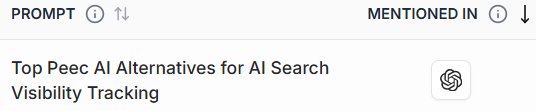
With Indexly, you can track brand mentions across AI platforms, identify referenced URLs, analyse brand sentiment, compare competitor visibility, and discover opportunities to improve your AI presence.
Measure AI Citations and Citation Opportunities
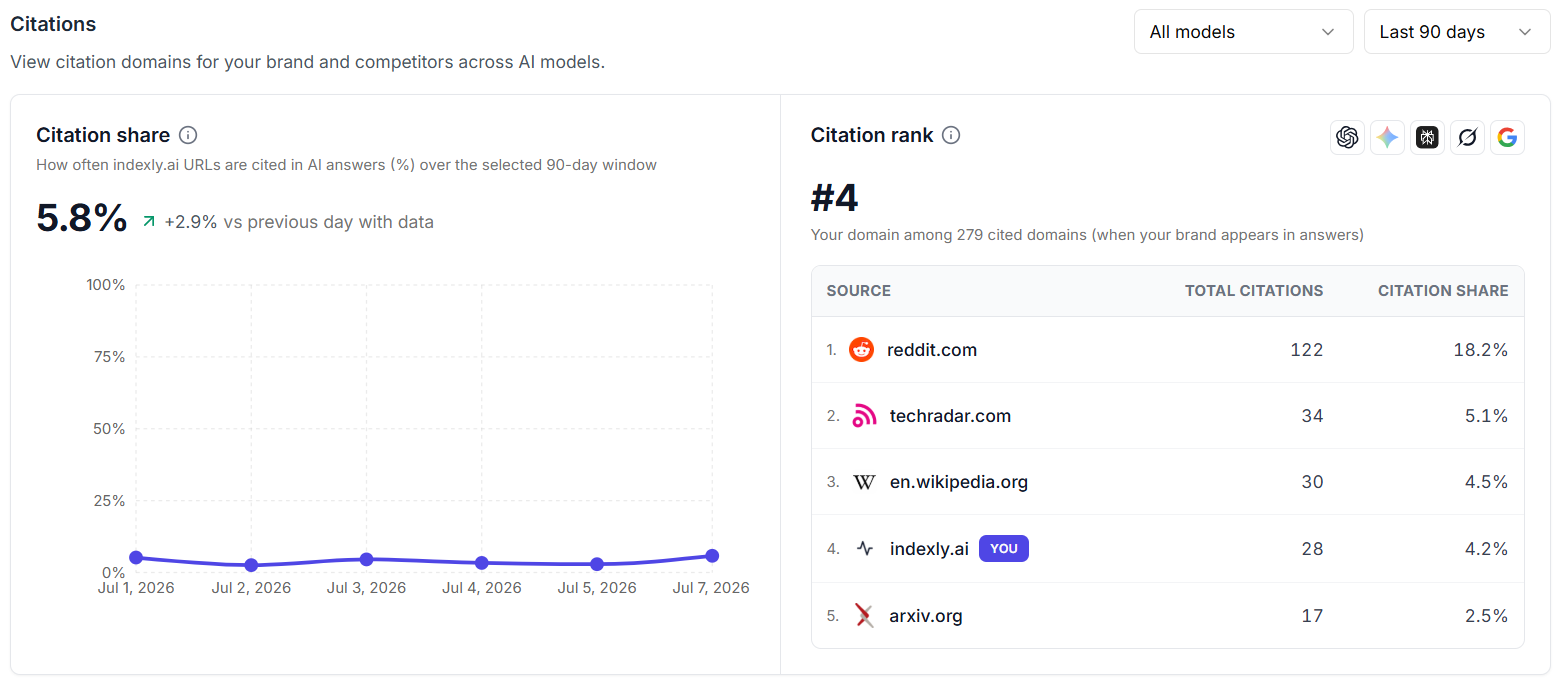
AI platforms often rely on trusted sources when generating answers. Tracking citations helps you understand which websites, pages, and external sources are influencing AI recommendations.
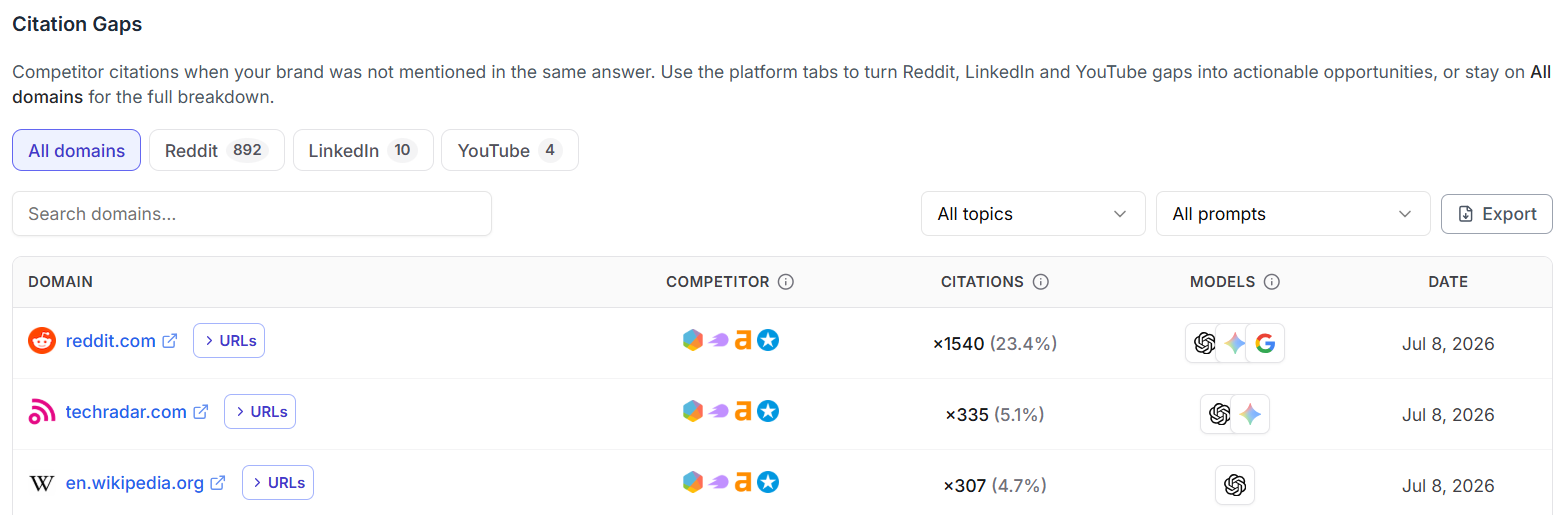
Indexly’s AI Citation tracker helps you discover which sources are earning mentions, where your competitors are being cited, and which citation opportunities you are missing.
It also helps identify gaps across platforms such as Reddit, LinkedIn, YouTube, and other external sources where AI systems may collect information.
Analyse AI Traffic Performance
AI visibility is not only about being mentioned; it is also about understanding whether those mentions bring users to your website.
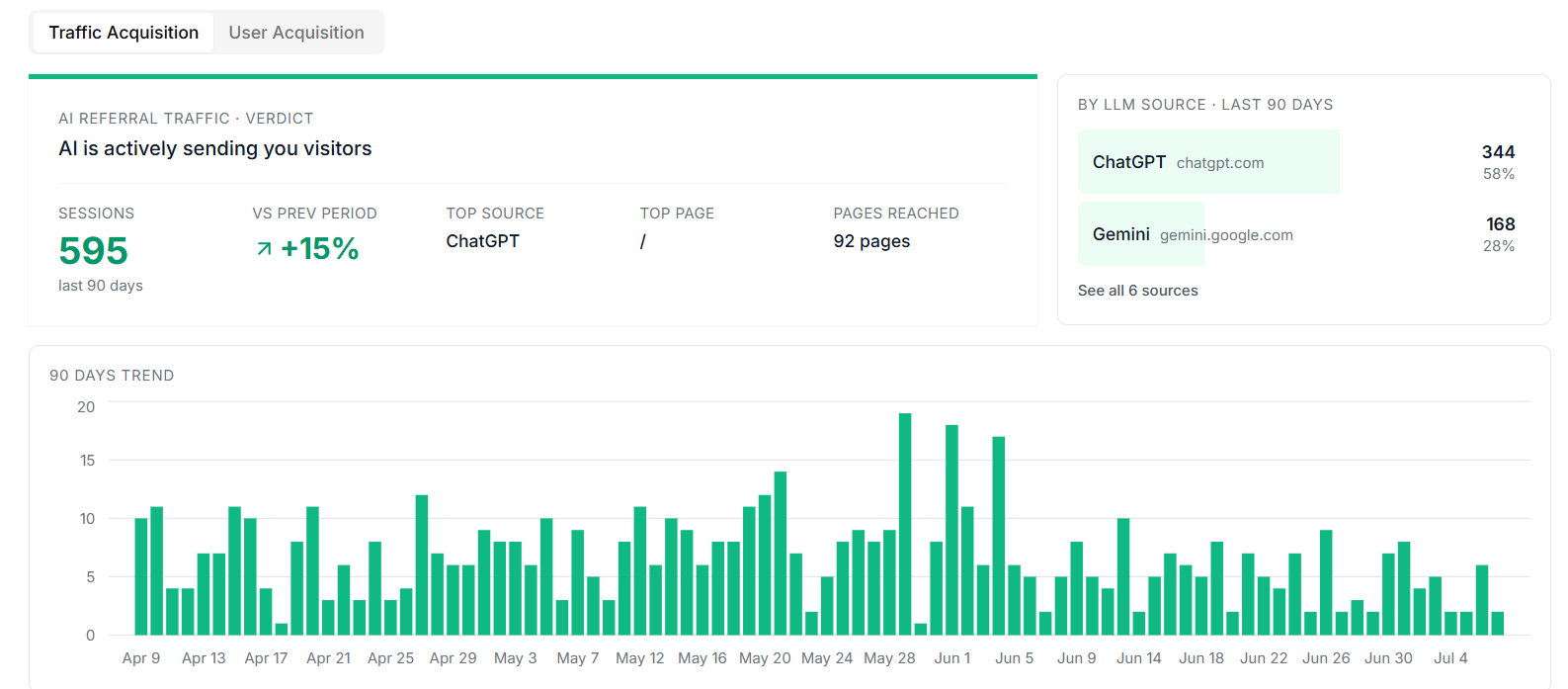
Indexly’s AI Traffic Analysis helps you track referral traffic and user acquisition from different AI models.
You can understand which AI platforms are sending visitors, how much traffic they generate, and how AI visibility contributes to overall website growth.
Analyse AI Search Prompts
Knowing which questions trigger your brand visibility helps you identify where you are performing well and where competitors are gaining an advantage.
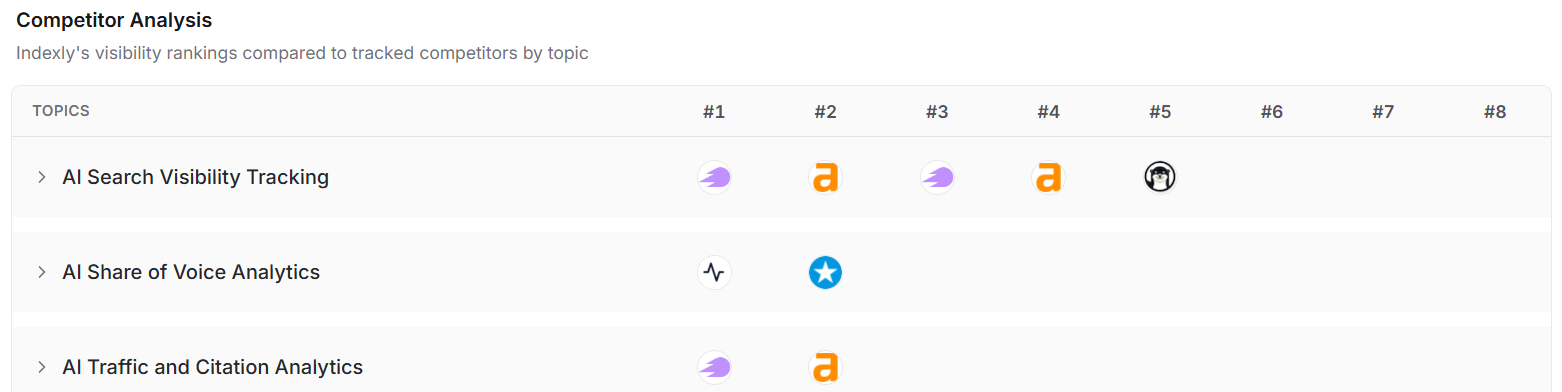
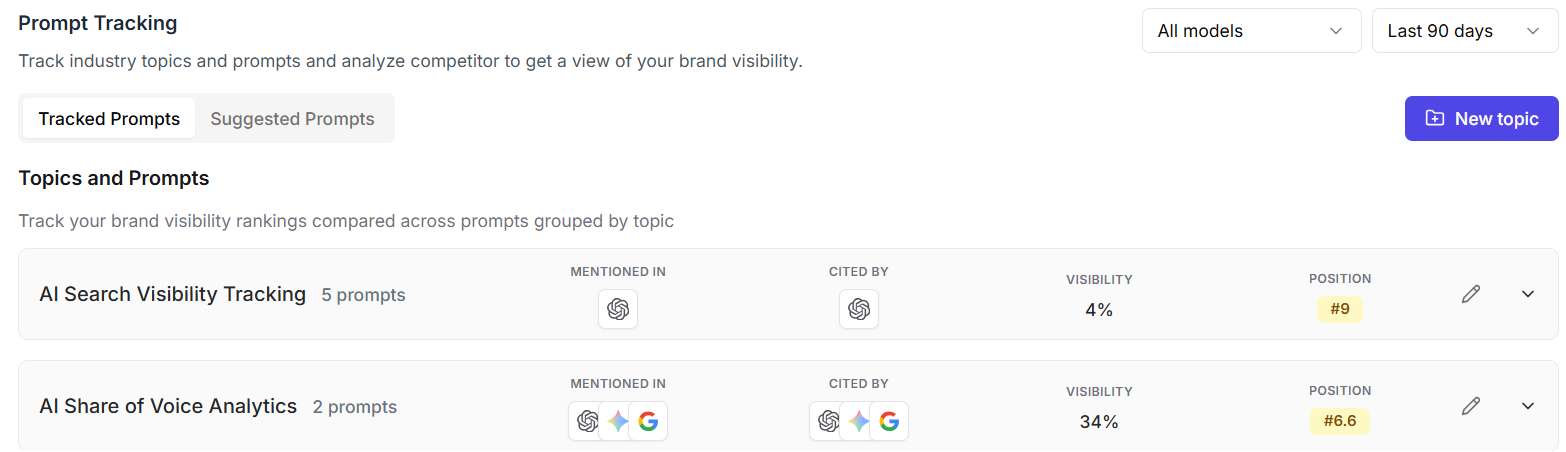
Indexly’s AI Prompt Analysis allows you to add or remove prompts under different topics and track how your brand performs across AI responses.
It helps you identify high-value queries, competitor visibility, and content opportunities that can improve your AI search presence.
Monitor Brand Conversations on Reddit
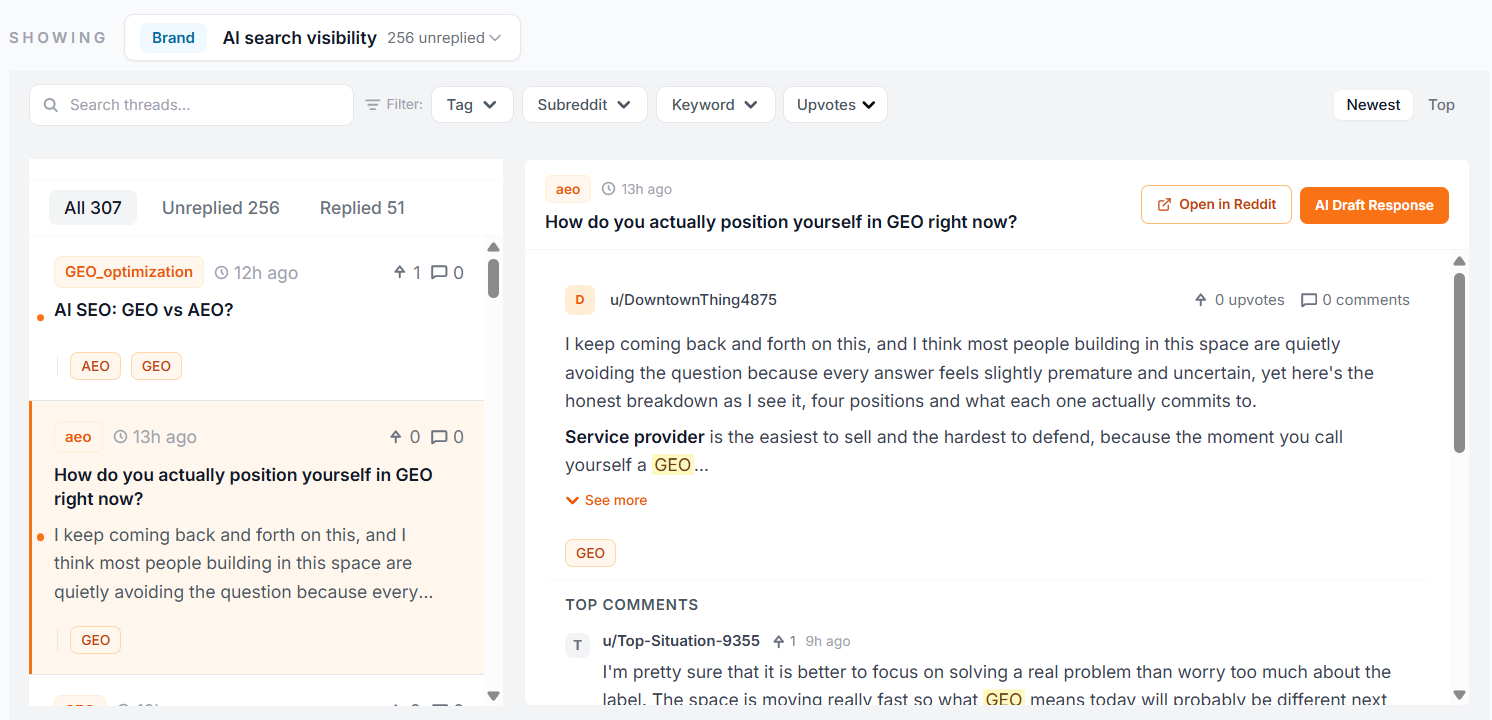
AI systems increasingly use discussions from communities and forums to understand real user opinions and experiences.
For example, if users frequently discuss a product category on Reddit but your brand is missing from those conversations, it can affect how AI systems understand your market presence.
Build Authority Through LinkedIn Presence
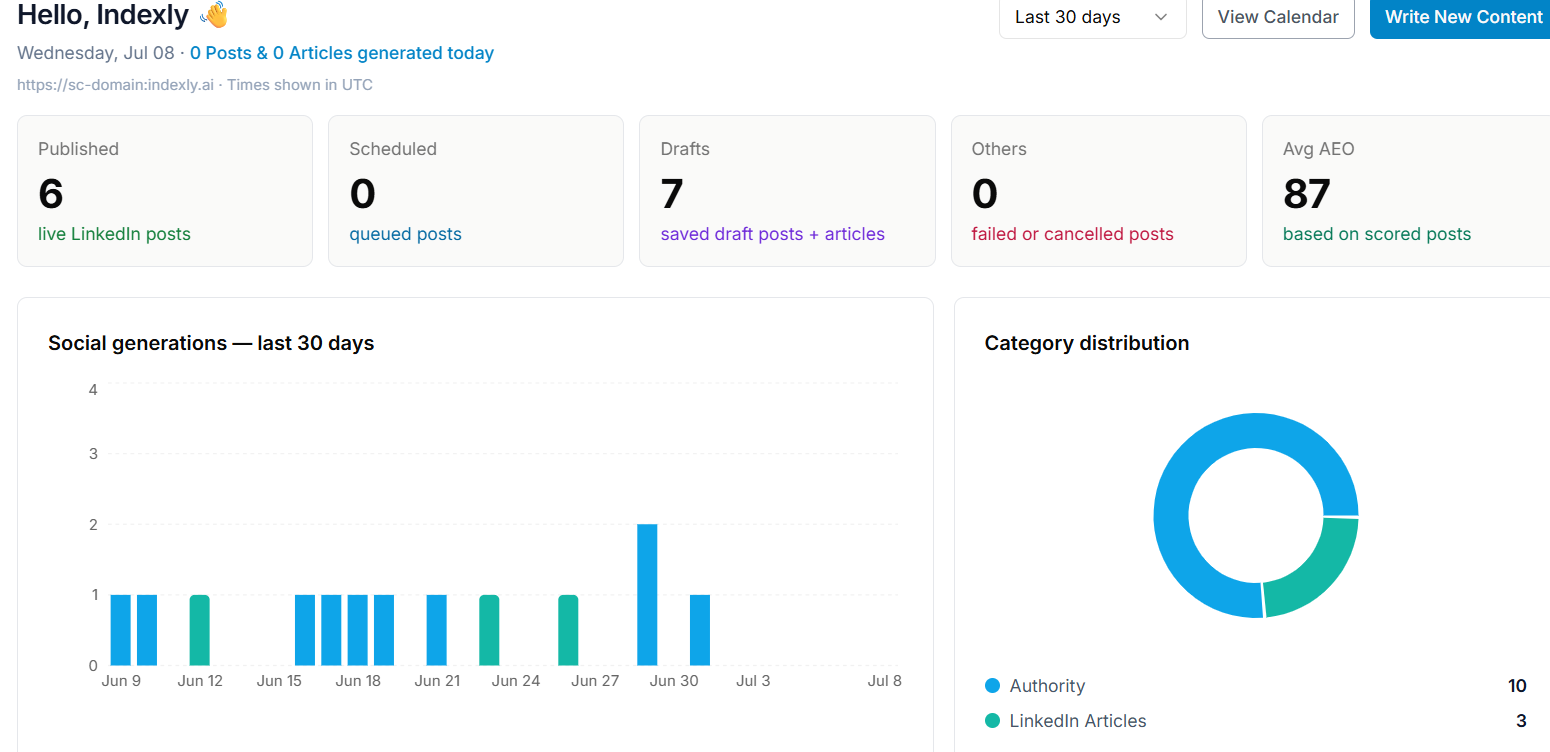
LinkedIn helps brands establish expertise, showcase industry knowledge, and strengthen their digital identity.
Indexly’s LinkedIn Presence feature allows businesses to create posts, publish articles, generate visuals, and manage content directly from the platform. Consistent publishing helps reinforce brand authority and provides additional signals that AI systems can use when understanding your expertise and relevance.
Start Your AEO Journey Today
You don’t need to rebuild your entire SEO strategy to start with AEO. Begin by optimizing the content you already have and focus on making it easier for AI systems to understand, trust, and reference.
Start with one important page and apply these AEO principles:
- Create clear, direct answers to user questions
- Add structured data to help AI understand your content
- Build stronger brand signals through trusted mentions and citations
- Monitor AI visibility, mentions, and competitor presence
Want to understand how your brand appears across AI platforms and find opportunities to improve your visibility?
Use Indexly to track AI mentions, analyze citations, identify content gaps, and get insights to strengthen your AEO strategy.
FAQs
1. What is Answer Engine Optimization (AEO) and how does it differ from SEO?
Answer Engine Optimization (AEO) is the process of structuring and refining your content so AI-powered systems like ChatGPT, Gemini, and Claude can extract and cite it directly in answers. Unlike traditional SEO (search engine optimisation), which focuses on rankings and website traffic, AEO prioritizes user intent, content alignment, schema markup, AI visibility, and brand citations to ensure your content is trusted and cited in AI-driven results.
2. How can I optimize my website content for voice search and AI visibility?
To optimize for voice search and AI visibility, structure your content around natural, conversational queries, provide clear answers upfront, and implement schema markup like FAQ, HowTo, and Article schemas. Regular website audits, fast site speed, and mobile optimisation are crucial to make your content understandable and trustworthy for AI systems, improving the likelihood of AI citation and featured snippet placement.
3. Why are brand mentions, brand citations, and EEAT important for AEO?
Brand mentions, brand citations, and strong EEAT (Experience, Expertise, Authoritativeness, Trustworthiness) signals increase your credibility in AI-driven search results. AI systems prioritize authoritative sources when generating answers. By publishing expert-authored content, maintaining a consistent brand presence, and earning external citations, you improve your chances of appearing in zero-click searches, knowledge panels, and AI-generated summaries.
4. How does schema markup help with Answer Engine Optimization?
Schema markup provides structured data that helps AI and search engines understand the type and context of your content. Using schemas like FAQ, HowTo, Article, and Organization enhances content alignment, strengthens EEAT signals, and improves AI visibility. This ensures your content can be accurately extracted, summarized, and cited, increasing the likelihood of appearing in AI-powered answers and voice search responses.
5. What tools can help measure and track AEO performance?
Tools like Indexly allow brands to monitor brand visibility, AI citations, prompt tracking, and brand sentiment, giving insight into how content is performing in AI-driven search environments. Conducting regular website audits and using topical maps for content planning improves AEO keyword research and content alignment. These metrics go beyond traditional SEO, helping brands adapt to AI-powered search while maintaining credibility and authority.