AI Citation Analysis: Boosting Search Visibility with Data
Unlock AI citation analysis to turn brand mentions into measurable search visibility gains for marketing teams, brands, agencies, and SEO pros.


Your brand is mentioned across the web far more often than it’s linked—and search engines are paying attention. Traditional backlink audits miss a growing layer of unlinked citations, entity mentions, and contextual signals that now shape how visible you are in search.
AI citation analysis turns this noisy landscape into structured insight, revealing which mentions matter, which sources carry authority, and how context influences rankings. By tapping into diverse data sources, advanced tools, and measurable workflows, you can align SEO and brand strategy more precisely—though it demands consistent monitoring, smart modeling, and a willingness to refine how you measure visibility over time.
In an AI-driven search landscape, citation analysis is no longer a niche SEO tactic—it’s the data-fueled lens that shows marketing teams, brands, and agencies exactly where authority is won, lost, and algorithmically ignored.
Reference: Master AI Search Tracking for Brand Visibility Across AI ...
1. Understanding AI Citation Analysis in Modern SEO
Defining AI Citation Analysis vs. Traditional Link Analysis
AI citation analysis uses machine learning and natural language processing to detect and interpret every mention of your brand, product, or people across the web, whether or not there is a clickable link. Tools like Brandwatch and Meltwater scan news, blogs, forums, and social media to understand who is talking about "Shopify" or "Salesforce," in what context, and with what sentiment.
Traditional link analysis, by contrast, focuses on URLs, anchor text, and domain authority metrics from platforms like Ahrefs or Majestic. AI expands this by evaluating relationships between entities, surrounding keywords, and tone, so a positive unlinked mention of HubSpot on a high-authority site like Forbes can be valued alongside classic backlinks.
How Citations, Brand Mentions, and Entity Signals Influence Rankings
Search engines now use entity recognition to map brands, people, and products into a knowledge graph. When “Adobe,” “Photoshop,” and “photo editing software” co-occur consistently on trusted sites such as CNET or PCMag, Google can more confidently associate Adobe with that topic and intent.
These consistent brand mentions reinforce E‑E‑A‑T by signaling that a brand is recognized and discussed by authoritative sources. Over time, this can lift branded search volume, click-through rates, and engagement, similar to how repeated mentions of “Canva” in design tutorials and YouTube reviews have correlated with its rapid growth in organic visibility.
2. Core Data Sources for AI-Driven Citation and Brand Mentions Analysis
Web Citations and Unlinked Brand Mentions
Web citations are the backbone of AI-driven authority signals, spanning blogs, news articles, niche directories, resource pages, and community forums such as Reddit and Stack Overflow. A SaaS brand like HubSpot might be cited on marketing blogs, included in MarTech directories, and discussed in Webflow or Shopify community threads, all of which become training signals for AI search systems.
Unlinked brand mentions are especially valuable for entity understanding and awareness. When journalists at Wired reference "Figma" or "Notion" without a hyperlink, those mentions still help search and generative AI systems associate the brand with specific topics and use cases. Modern AI monitoring tools crawl, index, and use NLP to match these brand strings and product names back to your official site and key pages, even when tracking is complicated by misspellings or regional variants.
Social, News, and PR as Off-Page Authority Signals
Social platforms, digital PR, and news coverage act as powerful off-page authority signals that reinforce topical expertise. A single LinkedIn post from an industry influencer about Snowflake’s data cloud, amplified by hundreds of comments and reposts, contributes to entity strength around data warehousing and analytics.
Digital PR and press coverage in outlets like TechCrunch or The Verge provide especially strong credibility indicators. AI analytics platforms can aggregate metrics such as impressions, engagement rate, and sentiment on campaigns, for example, tracking how a Stripe funding announcement performs across X (Twitter), LinkedIn, and major tech media to quantify off-page impact on perceived trust and authority.
Leveraging First-Party Data: CRM, Reviews, and Support Logs
First-party data—CRM records, NPS surveys, app store and G2 reviews, and support transcripts—often holds the clearest language customers use about your brand. For instance, Salesforce can mine Service Cloud chat logs to see which product names, features, and pain points are mentioned most frequently by enterprise customers.
AI models can cluster recurring phrases such as “onboarding complexity” or “billing transparency” and compare them with themes appearing in public reviews on platforms like Trustpilot. When combined with public citations, this reveals gaps between external perception and real customer experience, helping teams prioritize messaging updates and product fixes that will feed back into stronger, more consistent AI citations.
Integrating Multiple Data Streams into a Unified AI SEO Stack
Centralizing citations from web, social, PR, and first-party systems in one environment is critical because most AI citations still originate from brand-managed sources. Research from Yext shows that 86% of AI citations come from sources brands already control, such as websites and listings, which makes unified governance a high-ROI effort.
Teams typically connect these channels via APIs, native connectors (e.g., GA4, HubSpot, Sprout Social), secure file imports, or middleware like Segment and Zapier. A shared entity schema—covering brand, product lines, locations, and key people—plus consistent tagging standards ensures that when AI models ingest this unified dataset, they can accurately map every citation and mention back to the right entity and page, strengthening both search visibility and generative AI responses.
3. Building an AI SEO Tools Stack for Citation Analysis

3. Building an AI SEO Tools Stack for Citation Analysis
Key Capabilities to Look for in AI Citation Tools
A strong AI SEO stack for citation analysis starts with tools that can surface brand mentions as they happen and translate them into SEO insights. The goal is to see where and how your brand is referenced, then connect those mentions to rankings, traffic, and revenue impact.
Platforms like Brand24 and Mention track real-time or near real-time brand mentions across the open web, social, and news. When combined with advanced NLP features—entity recognition, sentiment analysis, topic clustering, and intent classification—you can distinguish a positive review on G2 from a neutral forum thread on Reddit and prioritize outreach accordingly.
Dashboards in tools such as Talkwalker or Meltwater can be integrated with Google Analytics 4 and Google Search Console to show how specific citations correlate with organic traffic and conversions. For instance, tracking a new backlink and mention from HubSpot’s blog alongside a 12% uplift in category rankings helps justify digital PR and content partnerships.
Specialized Citation Tools vs. All-in-One AI SEO Platforms
Marketing teams often debate whether to invest in specialized citation tools or consolidate into an all-in-one AI SEO suite. Each approach has trade-offs in coverage, data depth, and operational complexity that affect how well you can act on mention data.
Specialized tools like Brandwatch or Sprout Social usually offer deeper coverage, highly granular alerts, and richer reputation features, such as crisis monitoring for sudden spikes in negative sentiment. By contrast, all-in-one platforms like Semrush, Ahrefs, or Moz unify backlink, keyword, and brand mention data into shared dashboards, reducing overhead and making cross-team collaboration between PR, SEO, and content far easier.
Reference: Boost SEO with 3 AI Tools in Minutes | Julian Goldie posted ...
4. Using AI to Discover and Classify Brand Mentions at Scale
Entity Recognition and Disambiguation for Accurate Brand Matching
AI models use named entity recognition (NER) to pull brand names, products, locations, and people out of messy text across reviews, forums, and news. Tools built on transformers, like those used by enterprise suites such as Sprinklr and Brandwatch, can distinguish “Apple” the company from “apple” the fruit by learning context from billions of sentences.
Disambiguation becomes critical when your brand name is generic or shared, like “Square,” “Next,” or “Stripe.” Teams improve accuracy by maintaining custom entity dictionaries (e.g., mapping “GS” and “Goldman” to Goldman Sachs), layering in context rules (payment + terminal → Square), and feeding corrections back into the model. Over time, this feedback loop steadily raises precision and reduces false positives across dashboards and reports.
Classifying Mentions by Sentiment, Intent, and Topic
Once entities are detected, AI can label each mention as positive, neutral, or negative sentiment across X, Reddit, Trustpilot, and press coverage. For instance, a surge in negative sentiment around “delivery time” for DoorDash or Instacart often appears in social listening tools days before support tickets spike, giving teams a window to react.
Intent and topic classifiers go deeper by tagging whether a mention is informational (“What is Adobe Firefly?”), transactional (“Buy Nike Pegasus 41 discount”), or complaint-driven (“Spotify keeps crashing on Android”). Topic models cluster these into themes like pricing, product quality, or support, revealing patterns you can prioritize in SEO content and product FAQs.
Filtering Valuable Citations from Noise
Raw brand mentions include a lot of noise: spam sites, scraper domains, AI‑generated blogs, and irrelevant uses of your brand term. AI scoring models help filter this by weighing domain authority, topical relevance, estimated reach, and engagement, so that a New York Times citation outweighs dozens of low‑quality blog mentions.
Brands working on AI visibility now score mentions across both traditional search and AI assistants. As noted in real-world case studies for AI visibility, optimizing for high‑quality citations can drive ChatGPT mention rates as high as 82%. Maintaining domain blocklists, confidence thresholds, and quality filters keeps monitoring dashboards focused on the mentions that actually influence user decisions.
Handling Brand Variants, Misspellings, and Product-Level Mentions
People rarely type your brand the way it appears in style guides. Fuzzy matching and language models catch typo variants like “Shopifyy,” abbreviations like “MCD” for McDonald’s, and colloquial references such as “Netflix password sharing crackdown.” This ensures you don’t miss critical chatter just because the spelling or phrasing is off.
It’s equally important to track sub‑brands, product lines, and campaigns—think “Fanta Dragon Fruit Zero Sugar,” “Nike Run Club,” or “Prime Big Deal Days”—as related but distinct entities. These granular mentions surface micro‑audiences and long‑tail keywords (e.g., “Nike Pegasus 41 heel slippage fix”), highlighting product‑specific content gaps your SEO team can fill with targeted guides, FAQs, and comparison pages.
Reference: Best AI Visibility Tools for Brand Mention Tracking (2026)
5. Turning Citation Analysis into Search Visibility Gains
5. Turning Citation Analysis into Search Visibility Gains
Mapping Citation Patterns to Rankings and Priority Pages
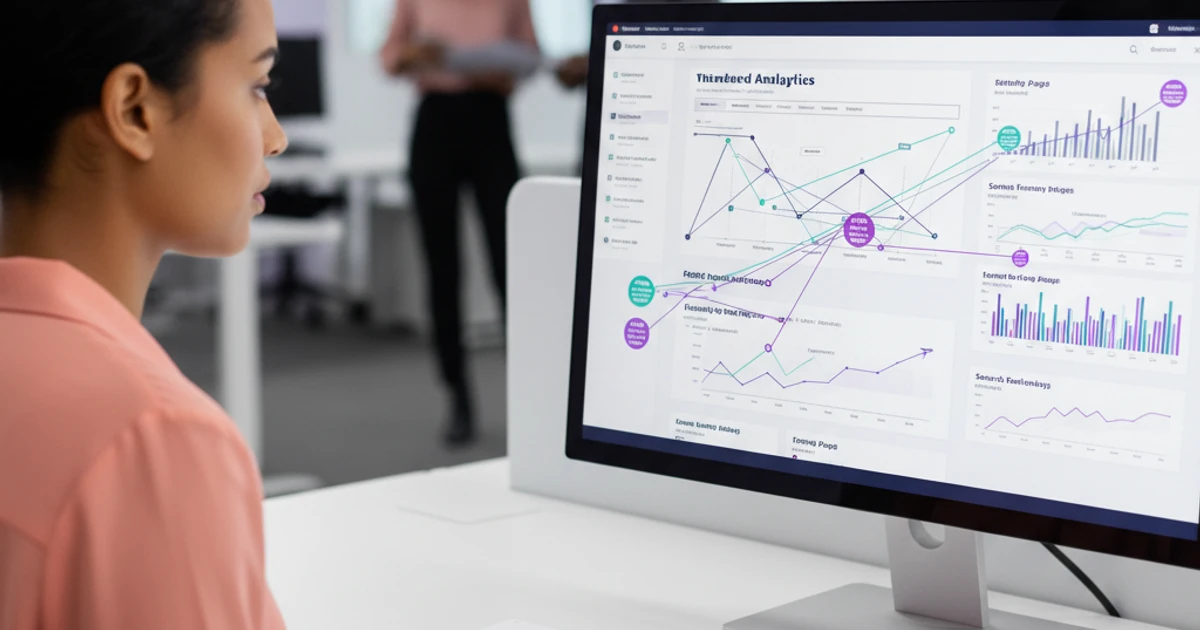
Citation analysis becomes powerful when you connect mention spikes to specific URLs and keyword clusters. Track when your brand is cited in outlets like TechCrunch or Search Engine Land and compare those dates with ranking shifts in tools such as Google Search Console and Semrush.
Build timelines where you align PR pushes, product announcements, and guest posts with organic traffic changes for priority pages. For example, when Notion earned a wave of coverage in The Verge and Wired around its funding announcements, its branded and collaboration-software keywords saw measurable ranking lifts within weeks.
Tag every mention to its associated landing page, topic, and target keywords in a CRM or BI tool. This lets you see which articles, like a pricing page or comparison guide, consistently benefit from earned media so you can double down on those assets.
Identifying Authority Gaps vs. Competitors
Comparing your citation footprint with competitors highlights where they earn authority that you do not. Use tools like Meltwater or Brandwatch to benchmark volume, domain authority of sources, and sentiment for your brand versus peers such as HubSpot or Mailchimp.
Then, map which publications and influencers talk about competitors while ignoring you. If Ahrefs is repeatedly mentioned in Backlinko, Moz, and niche SEO podcasts while your tool is absent, that’s a concrete outreach roadmap.
Prioritize these gaps as targets for expert quotes, joint webinars, or data-driven reports. The goal is to turn competitor-exclusive venues into shared or brand-preferred channels over time.
Prioritizing Outreach, PR, and Digital PR Campaigns
AI-driven citation analysis helps you find the specific journalists and site owners already writing about your space. For instance, if multiple Forbes and Entrepreneur contributors often cover Shopify and Klaviyo, they’re likely open to related ecommerce or email automation stories.
Score potential targets by past impact on rankings: links or even strong brand mentions from domains like NYTimes.com, Wired.com, or IndustryDive titles often correlate with noticeable visibility gains. Focus outreach on topics and angles that previously aligned with ranking improvements, such as original data studies or expert explainers.
Feed campaign outcomes back into your AI models. When a niche SaaS blog sends qualified traffic but no ranking lift, adjust its weight; when a single G2 or Capterra mention consistently precedes keyword jumps, increase its priority score.
Feeding Citation Insights into On-Page and Content Strategy
Citation language reveals how the market actually talks about you and your category. If reviewers and journalists consistently describe Canva as “easy design software for non-designers,” that phrase should influence on-page headlines, FAQs, and comparison pages.
Identify content that repeatedly triggers positive mentions—such as in-depth how‑to guides, benchmark reports, or free tools. When Backlinko’s detailed case studies are widely cited, Brian Dean often replicates that depth and structure in future posts to earn similar coverage.
Monitor recurring negative or confusing mentions, like pricing complexity or unclear feature limits. Address them with clearer documentation, updated product messaging, and dedicated support content, turning reputational weaknesses into searchable, rank-worthy clarification pages.
Reference: The search visibility framework: Dominating every corner of ...
6. Practical Workflows: From Raw Mentions to AI Search Optimization Actions
Daily and Weekly Workflows for SEO Teams
Turning raw citation data into SEO gains requires a predictable rhythm. A simple daily routine might start with reviewing new mentions in tools like Brandwatch or Meltwater, then sorting by domain authority and relevance to priority topics.
For example, an ecommerce SEO team could triage mentions from Wired.com or The Verge first, flagging unlinked brand references for digital PR outreach and logging product-specific feedback into Jira. Each Friday, they might review sentiment trends, top referring domains, and new topic clusters in Looker Studio to decide which FAQ pages, comparison posts, or schema updates to prioritize the following week.
Alerts for High-Impact Citations, Emerging Topics, and Crises
Always-on alerts keep teams from missing pivotal mentions. Configure notifications for new citations from sites like The New York Times, HubSpot, or Search Engine Journal, as these can move E‑E‑A‑T and click-through rates.
Set topic-based alerts for phrases such as “{brand} pricing”, “{product} not working”, or a competitor’s new feature launch. Layer in negative sentiment or sudden volume spikes so a support or PR lead can respond within hours, not days, reducing the risk of a sustained reputation dip that later shows up in branded search demand and review snippets.
Reference: How to Rank in AI Overviews: Top 6 Strategies That ...
7. Measuring ROI: KPIs and Reporting for AI Citation Analysis
7. Measuring ROI: KPIs and Reporting for AI Citation Analysis
Core KPIs for Tracking Citation Health Over Time
AI citation analysis is only valuable if it’s tied to clear, repeatable KPIs. Start by monitoring citation volume by channel and entity to understand where your brand is gaining visibility and for which assets.
For example, a SaaS brand like HubSpot might track monthly mentions across web articles, LinkedIn posts, tech news, and G2 reviews, segmented by brand vs. specific products (e.g., “HubSpot CRM”). This lets teams see whether a product launch is driving more product-level citations or just general brand buzz.
Quality and diversity matter as much as volume. Monitor the authority of referring domains (using metrics from Moz, Ahrefs, or Majestic) and industry/geographic spread of sources.
A B2B cybersecurity company, for instance, might aim to increase citations from high-authority outlets such as Dark Reading, Wired, and regional press across the US and EU, rather than relying only on a handful of niche blogs.
AI models can also classify citations by sentiment, topic, and share of voice against competitors. Tracking the ratio of positive vs. negative coverage alongside share of voice versus brands like Salesforce or Adobe gives clearer context than raw mention counts alone.
This helps teams understand whether they’re winning visibility on strategic themes such as “AI marketing automation” or “privacy-first analytics.”
Linking Citation Trends to Organic Performance
To show SEO impact, you need to connect citation trends with organic performance signals in Google Search Console and analytics platforms. Start by correlating citation spikes with changes in organic traffic, rankings, and impressions for priority keyword groups.
For example, when Shopify secures coverage in TechCrunch, Forbes, and niche eCommerce blogs around a feature launch, analysts can track whether terms like “Shopify AI checkout” see ranking improvements or impression jumps in the following 4–8 weeks.
Branded vs. non-branded search is another key lens. An AI PR campaign that boosts “Notion AI” mentions across YouTube reviews and productivity blogs should ideally drive growth in both branded searches (“Notion AI”) and adjacent non-branded queries (“AI note-taking tool”).
Mapping mention timelines against Google Trends data and GSC query reports gives a more complete read on impact. Where possible, run controlled tests: launch a targeted digital PR push for one product line or region and hold another constant.
An agency might run a 6-week PR initiative for a client’s “enterprise backup solution” in the US only, then compare SEO lifts against EU performance where no PR ran, helping isolate incremental impact more credibly.
Reporting Frameworks for Stakeholders and Clients
Different stakeholders need different levels of detail from AI citation analysis. Executives and senior stakeholders usually want high-level narratives that connect citations to brand health and revenue-related outcomes.
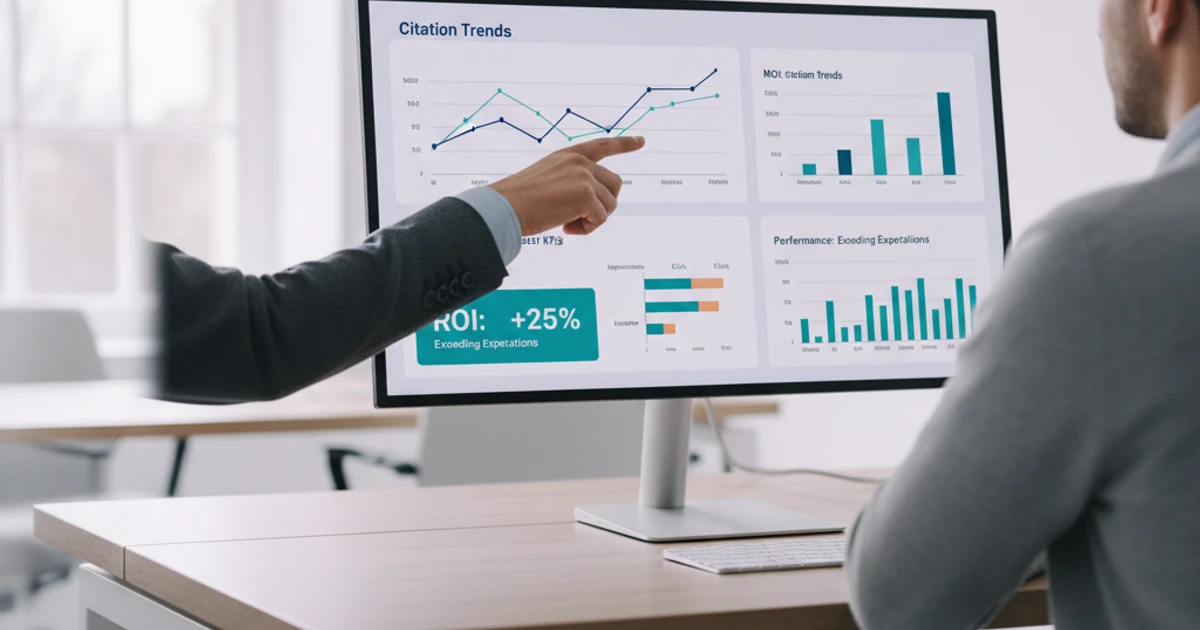
A quarterly CMO report might highlight that mentions from high-authority business outlets like The Wall Street Journal and Bloomberg grew 40%, coinciding with a 25% increase in branded organic traffic and a 15% rise in demo requests from organic search.
SEO and content teams, on the other hand, need tactical visibility. They benefit from lists of specific articles, podcasts, social threads, and review pages, along with gaps where key topics or product lines lack coverage.
For example, a report for the SEO team could flag that competitors dominate citations around “zero-party data” in martech blogs, suggesting a content and PR push to earn expert mentions on sites like MarTech and Search Engine Land.
Agencies can turn citation insights into client-ready stories. A monthly deck might show how a digital PR campaign landed 30 new citations on DR 70+ sites, helped push three target keywords into the top 5, and improved the client’s share of voice from 18% to 26% in their category.
Visuals—such as time-series charts, topic clusters, and share-of-voice bar graphs—make these narratives more digestible and persuasive.
Attribution Challenges and Setting Realistic Expectations
Attributing ranking changes directly to citations is inherently difficult. Google’s algorithms weigh hundreds of signals, and the impact of new citations can be delayed or blended with technical fixes, content updates, and core algorithm changes.
It’s important to explain to stakeholders that while a New York Times feature often correlates with visibility jumps, no single citation guarantees ranking wins. Time lags of several weeks to a few months are common, especially for competitive queries.
A more robust approach is multi-touch, blended measurement. Combine AI citation analysis with data on backlinks, content freshness, internal linking, and PR timelines to evaluate outcomes at the campaign or theme level rather than at the single-link level.
For example, a B2C brand running a “summer fitness” campaign might view SEO impact across the entire cluster of keywords and content, acknowledging that citations from Men’s Health, Shape, and local news all contribute alongside on-site optimization.
Set expectations around leading and lagging indicators. Leading indicators include growth in authoritative citations, positive sentiment share, and topic-specific share of voice; lagging indicators are ranking shifts, organic sessions, and assisted conversions.
Aligning these indicators upfront with clients or internal teams reduces pressure to “prove” that any one PR hit or citation directly caused a specific ranking move, while still keeping ROI accountability front and center.
Reference: 7 KPIs That Prove AI adoption ROI - Adoptify AI
8. Future of AI Citation Analysis in SEO and Brand Strategy
AI-Driven Search and the Changing Value of Citations
Generative search experiences like Google’s Search Generative Experience (SGE) and Bing’s AI-powered results now summarize answers instead of listing ten blue links. That shifts value from single-page rankings to brand presence inside AI overviews.
Brands that are widely cited and consistently associated with topics are more likely to appear in these summaries. For example, HubSpot is frequently surfaced in SGE for “B2B content marketing strategy” because hundreds of credible blogs, universities, and conferences reference its reports and playbooks.
Structured, credible citations also feed the training data behind tools like Perplexity and ChatGPT’s browsing. Getting mentioned in trusted sources such as Harvard Business Review or Search Engine Journal compounds visibility, because those articles are heavily used as ground truth in generative models.
Entities, Knowledge Graphs, and Structured Data
Modern search relies on entities—people, brands, products, and concepts—and the relationships between them. Google’s Knowledge Graph, Microsoft’s Graph, and LinkedIn’s Economic Graph all model these connections to determine which brands are authoritative for a topic.
Schema markup (Organization, Product, Article, FAQ) and consistent naming across your site, LinkedIn, Crunchbase, and Wikipedia strengthen entity recognition. When Salesforce uses Organization schema, identical brand naming, and links to its social profiles, it makes it easier for search engines to unify all mentions under one entity.
AI citation analysis helps expose gaps and inconsistencies. If your brand appears as “Acme Analytics,” “AcmeAI,” and “Acme, Inc.” across press, G2, and partner sites, models may treat them as separate entities, diluting authority. Auditing and standardizing these references can significantly improve topic association and visibility.
Predictive Models for Forecasting Citation Impact
Machine learning models can use historical citation data—volume, source quality, topical relevance—to forecast SEO outcomes. An agency might train a regression or gradient-boosted model to predict organic traffic growth based on past changes in referring domains, anchor text, and brand mentions.
Scenario modeling lets you estimate the impact of specific campaigns. For instance, you could model how 50 new citations from marketing podcasts, MarTech news sites, and industry newsletters might influence your visibility for “marketing automation platform” over six months, using data from tools like Ahrefs or Semrush.
These models should be retrained regularly with fresh log files, rankings, and citation data. As Google rolls out SGE updates or Bing adjusts its AI interface, relationships between citations and traffic shift, and only updated models will reflect the new reality.
Preparing Your Organization for Ongoing AI and Search Changes
Marketing leaders need a baseline understanding of AI, entities, and semantic search to make smart bets. Teams at brands like Shopify and Adobe publish internal playbooks explaining vector search, embeddings, and knowledge graphs so non-technical marketers can collaborate effectively with data teams.
Flexible data infrastructure is equally important. Centralizing analytics, CRM, PR mentions, and SEO metrics in a warehouse such as Snowflake or BigQuery makes it easier to run citation analysis, train models, and plug into new platforms like GA4, Search Console, and Reddit or TikTok data sources.
A culture of experimentation helps de-risk innovation. You might start with a small AI citation project—tracking how mentions on Product Hunt, Hacker News, and key newsletters affect branded search and SGE inclusion—then scale the approach once you see statistically significant results.
Reference: The 8 Best AI SEO Tracking Tools: A Side-by- ...
Conclusion: Key Takeaways and Next Steps
Why AI Citation Analysis is a Strategic SEO Layer
AI citation analysis strengthens, rather than replaces, technical SEO and backlink work. While tools like Screaming Frog and Ahrefs show crawl health and link equity, AI-driven mention tracking reveals where your brand is discussed across articles, podcasts, YouTube, and reviews.
For example, Shopify can use citation data to see that “Shopify pricing” is heavily discussed on Reddit and G2, then prioritize FAQ content and schema for that topic. This turns scattered mentions into targeted optimization opportunities.
Citation data also connects SEO with PR and content strategy. When platforms like Brandwatch or Meltwater flag a spike in mentions after a New York Times feature, SEO teams can immediately optimize related landing pages, while PR and content teams plan follow-up thought leadership around that coverage.
Immediate Actions to Get Started
To get traction quickly, start by mapping your current citation footprint. Run searches across Google, Google News, YouTube, Reddit, and review sites such as G2, Yelp, or Trustpilot, then log where your brand and key products appear most often.
Next, pick one or two AI tools—such as Brand24 with Slack integration or Talkwalker connected to BigQuery—and feed in at least one core data source, like brand mentions plus one flagship product. Avoid overloading your stack before you have a clear workflow.
Finally, pilot a simple use case: monitor mentions around a revenue-driving product, then optimize that product page’s title tags, FAQs, and internal links based on real phrases customers use. Track changes in organic traffic and assisted conversions over 4–6 weeks.
Aligning Teams and Scaling Your Program
As you see initial impact, shift focus to alignment and scale. Build shared dashboards in Looker Studio or Power BI so SEO, PR, and content teams see the same mention volume, sentiment, and referring URLs, and agree on common KPIs like branded search lift or review rating improvements.
Document ownership: SEO owns on-site optimization, PR handles outreach and crisis response, while content leads on thought leadership tied to recurring themes. A common mistake is leaving social care teams out of this loop; include them so support tickets and public complaints inform your keyword and content roadmap.
Define clear milestones—for example, quarter one: manual pilots; quarter two: automated alerts and workflows; quarter three: predictive modeling of high-value mentions. This turns AI citation analysis from an ad-hoc experiment into a durable, integrated part of your search visibility strategy.
FAQs
How is AI Citation Analysis Different from Traditional Backlink Analysis in SEO?
Traditional backlink analysis in tools like Ahrefs or Semrush focuses almost entirely on hyperlinks pointing to your site. AI-driven citation analysis widens the lens to track both linked and unlinked mentions of your brand, products, and key people across news sites, podcasts, YouTube, and social platforms.
For example, when HubSpot is mentioned in a Gartner report or on a popular marketing podcast without a link, AI models can still recognize that mention, classify sentiment, and associate it with relevant topics and entities.
Instead of just counting links, AI evaluates context, tone, and relationships between entities. A Forbes article that names Shopify alongside “enterprise ecommerce” and “PCI compliance” carries different semantic weight than a directory link. AI engines can score those nuances at scale, helping SEO teams prioritize digital PR and authority-building efforts beyond raw link numbers.