

Your brand gets talked about far more than you actually see—on social posts, in forum threads, in industry roundups, even in offhand comments on blogs. The real question is whether those brand mentions are just floating around the internet or actively working for your SEO, reputation, and revenue.
Many marketers track clicks and conversions but overlook the power of unlinked mentions, casual shoutouts, and even complaints. By understanding what brand mentions are, learning how to track them, and knowing how to respond, you can turn scattered conversations into better search visibility, stronger PR, and real business results. It takes intention and consistency, but the payoff compounds over time.
Brand mentions are the digital whispers that shape your reputation long before a buyer lands on your site—ignore them, and you’re handing your story to everyone but your business and audience.
Reference: What Are Brand Mentions? Tracking Tools and Best Practices
Introduction
People talk about your brand every single day across social media, blogs, forums, podcasts, and news sites—even when they never tag you or link to your website. A customer might tweet about a frustrating support experience, mention your product on a Reddit thread, or praise you on a niche industry podcast.
The key question is not whether they talk, but whether you actually see those mentions and know how to respond. Brands like Nike and Airbnb invest heavily in social listening so they can jump into important conversations within minutes, turning casual chatter into real business outcomes.
Problem and Opportunity
Most businesses still rely on direct traffic, brand-name searches, and basic social notifications. That means they only notice conversations where users explicitly tag their handle or visit their site, leaving a massive blind spot across the wider web.
As a result, they miss untagged, unlinked, and unstructured brand mentions on platforms like Reddit, Quora, niche blogs, and industry news. This costs them chances to prevent PR issues, recover unhappy customers, and earn powerful SEO-driving backlinks from journalists and bloggers.
What You’ll Learn
This guide explains what brand mentions are, from clear brand name references (like “HubSpot CRM”) to broader product category mentions (“email automation tools”) that still signal buying intent. You’ll see how these mentions show up differently on TikTok, LinkedIn, review sites, and podcasts.
You’ll also learn why brand mentions matter for marketing attribution, PR monitoring, SEO link-building, and customer experience. We’ll walk through how teams use tools like Brand24, Mention, and Google Alerts to capture mentions and then tie that insight back to leads, sales, and retention metrics.
What to Expect from This Guide
Across the guide, you’ll get practical frameworks to set up brand mention tracking without needing a full-time analyst. We’ll outline workflows you can plug into Slack, CRM platforms like HubSpot or Salesforce, and help desk tools such as Zendesk or Intercom.
You’ll see concrete examples of how SaaS companies, ecommerce brands, and agencies interpret mention data to prioritize outreach, secure backlinks, and resolve issues before they escalate. By the end, you’ll know how to turn scattered brand mentions into a consistent, measurable source of marketing, PR, and product insight.
1. Understanding Brand Mentions: The Foundation of Your Online Reputation
What Are Brand Mentions?
Brand mentions are any instance where your brand is referenced online, whether someone types your name in a tweet, says it in a podcast, or includes it in a YouTube description. As What Are Brand Mentions and How to Track & Analyze Them explains, these references can appear across blogs, social feeds, news stories, and more.
Linked brand mentions include a clickable hyperlink to your site, such as a tech blog linking to hubspot.com when reviewing HubSpot CRM. Unlinked brand mentions name you without a URL, like a Reddit thread discussing “HubSpot” with no direct link. Direct mentions use your exact brand or @handle, while indirect mentions might say “that inbound marketing platform from Boston” instead of the brand name.
Types of Brand Mentions
Not every mention is about your corporate name; people often talk about your products, leaders, or campaigns instead. Treating each type separately helps you understand what really drives attention and reputation for your business.
Branded mentions reference your company name, such as “Shopify” or “Shopify Inc.” Product mentions zoom into specific offerings like “Shopify Payments” or “Shopify POS.” People mentions involve key figures like “Tobi Lütke” or your CMO quoted in Adweek. Campaign mentions show up as “#JustDoIt” or “Share a Coke,” where Nike and Coca-Cola track performance through those phrases.
Where Brand Mentions Happen
Brand conversations are scattered across the open web and private channels, which makes tracking both essential and challenging. Public spaces give you measurable data, while private ones reveal why qualitative listening still matters.
Mentions appear on social platforms like X (Twitter), LinkedIn, TikTok, and Instagram, as well as in search results, blogs, and editorial content. They also surface on news sites and trade publications when journalists review your funding round or product launch, or on reviews platforms such as G2, Trustpilot, Yelp, and the Apple App Store.
Forums and Q&A platforms like Reddit and Stack Overflow often host detailed product comparisons and troubleshooting threads. Then there is dark social: email, DMs, WhatsApp groups, and Slack communities where people share your URL or talk about your brand in ways traditional tracking tools rarely capture.
Brand Mentions vs. Brand Awareness vs. Share of Voice
These three concepts are related but not interchangeable. Knowing the difference keeps your reporting honest and your KPIs aligned with reality instead of vanity metrics.
Brand mentions are individual, trackable references to your brand across digital platforms. Brand awareness reflects how many people recognize and recall you when prompted, such as aided and unaided recall surveys run by Nielsen. Share of voice looks at your slice of the total conversation in your category; for example, a social listening report might show that Salesforce owns 45% of CRM-related mentions compared with competitors. In practice, brand mentions act as a measurable input that helps estimate and trend both awareness and share of voice over time.
2. Why Brand Mentions Matter for Modern Brands
2. Why Brand Mentions Matter for Modern Brands
Influence on Trust, Credibility, and Purchase Decisions
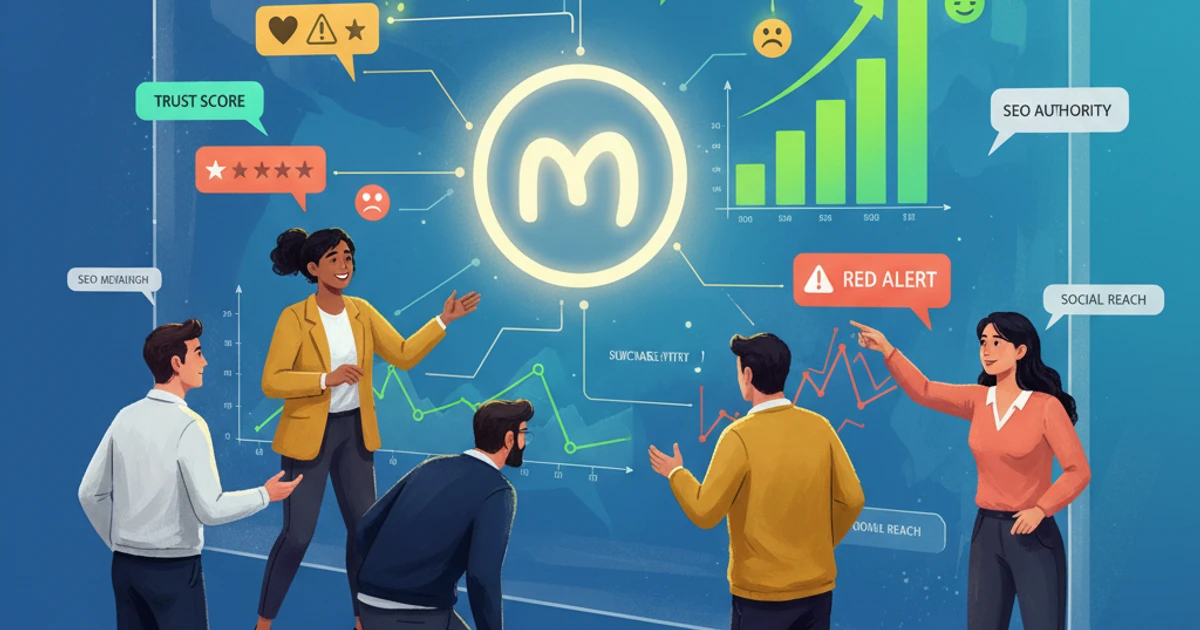
Brand mentions act like public recommendations, shaping how buyers feel long before they visit your site. When people see others talking about you on social, review sites, podcasts, or forums, it creates powerful social proof.
For example, when HubSpot is mentioned by marketers in LinkedIn threads or on communities like Indie Hackers, those organic conversations often carry more weight than a polished case study because they feel unfiltered and real.
Mentions from trusted sources amplify this effect. A single positive review from Wirecutter has driven measurable sales spikes for products like the Instant Pot, because readers trust their evaluations.
Those stories reduce friction at checkout: customers feel less risk when they’ve already seen peers and experts validate their choice through public mentions and anecdotes.
Role in SEO and Off-Page Authority
Search engines increasingly treat brand mentions as signals of relevance and authority, even when there’s no direct backlink. When your name appears consistently on niche blogs, podcasts, and news sites, it helps Google understand that your brand is a recognized entity in a specific space.
Brands like Shopify benefit from thousands of unlinked mentions across eCommerce tutorials and YouTube descriptions, which reinforce topical authority around online stores and payments.
Unlinked mentions also support the E-E-A-T framework (Experience, Expertise, Authoritativeness, Trustworthiness). When dermatologists and beauty editors repeatedly reference CeraVe in skincare content, they’re effectively vouching for its expertise and reliability.
Those same mentions often open doors to high-quality link opportunities—journalists at outlets like TechCrunch regularly upgrade casual mentions to full links when brands respond quickly with useful data or quotes.
Real-Time Voice-of-Customer Channel
Brand mentions function as a live, unfiltered feedback stream. Instead of waiting for quarterly surveys, you can see raw reactions to product launches, pricing changes, or support experiences the moment people talk about them on X, Reddit, or TikTok.
When Zoom usage exploded in 2020, countless social mentions surfaced issues with security settings and meeting bombing, giving the company clear signals on what to fix and how to communicate updates.
These mentions often highlight usability gaps you won’t catch in formal research. For instance, Figma’s team has publicly acknowledged using social and community mentions to spot confusing workflows and prioritize UX improvements before they show up in churn metrics.
They also complement NPS and CSAT by capturing unsolicited opinions from non-responders—people who ignore surveys but freely comment on experiences in public threads and group chats.
Risks of Ignoring Brand Mentions
Ignoring brand mentions doesn’t make conversations disappear; it just means you’re not in the room when they happen. Reputation issues can snowball quickly when complaints or misunderstandings spread without a timely response.
The United Airlines passenger incident in 2017 is a classic example—unanswered and mishandled social mentions helped push the story into a full-blown crisis that wiped nearly $1 billion off its market value within days.
Unmonitored mentions also leave customers feeling abandoned. When people tag brands like Comcast or Spirit Airlines with service problems and get silence, frustration fuels negative word of mouth and pushes them toward competitors.
Rivals can then step in: T-Mobile famously monitored mentions about AT&T and Verizon, replying with offers during the “Un-carrier” campaigns, turning other brands’ unhappy customers into their own fans and long-term subscribers.
Reference: Brand mentions and SEO: What they are and why they matter
3. Preparing to Track Brand Mentions Online Strategically
Define Clear Goals
Before you spin up dashboards or alerts, decide why you are tracking brand mentions in the first place. Brand mentions are any time your name is referenced on digital channels, from news sites to Reddit, as described in What Are Brand Mentions and How to Track & Analyze Them. Clear goals keep you from drowning in data and missing the signals that actually matter.
For reputation management and brand protection, Starbucks monitors Twitter and review sites to catch complaints about store experiences within hours. For customer support and service recovery, brands like JetBlue use social monitoring to issue credits or rebook flights when they see frustrated tweets, not just formal support tickets.
PR and media teams at HubSpot track media mentions to measure the impact of campaigns and spot journalists covering their niche. For SEO and digital PR, Ahrefs and Semrush monitor unlinked mentions so they can request backlinks and strengthen domain authority. Competitive intelligence teams then benchmark their share of voice against rivals to inform product and pricing decisions.
Decide What to Monitor
Once goals are clear, define exactly which terms and entities you’ll track. This avoids noisy results and helps your tools surface meaningful mentions across news, blogs, social, and forums. Start with your primary brand name and common abbreviations, including frequent misspellings; for example, "LinkedIn" and "Linkdin" often appear together in social posts.
Add product names and feature names that people use publicly. Microsoft, for instance, tracks "Microsoft 365," "Teams," and specific features like "Loop" to see how users react to updates. Include founders, executives, and spokespeople; when Elon Musk trends, sentiment around Tesla and X is affected, so both names are monitored in parallel.
Round out your list with slogans, taglines, and branded hashtags such as Nike’s "Just Do It" or campaign tags like "#ShareACoke." Combine core industry terms with your brand for context-specific monitoring, such as "Shopify" + "abandoned cart" or "Salesforce" + "integration issues" to catch high-intent conversations you might otherwise miss.
Set Geographic, Language, and Industry Parameters
Effective brand monitoring also depends on where and in what context people talk about you. Set geographic filters around countries or regions that matter most commercially, such as focusing on the US, UK, and Canada if those markets drive 80% of your revenue. Brands like Spotify maintain region-specific listening to catch local press and cultural trends early.
Filter by languages your team can actually monitor and respond in. If your support staff covers English and Spanish, configure your tools to prioritize those mentions and flag others for translation. This prevents tickets from sitting unanswered and ensures sentiment analysis is accurate enough to trust.
Where possible, narrow results by vertical. A company like Slack must filter out mentions related to "slack" as a generic word and keep only content tied to collaboration software. Excluding unrelated industries, such as construction "slack lines" or climbing gear, reduces false positives and keeps your dashboards focused.
Establish Internal Roles and Response Guidelines
Tracking brand mentions only pays off when your team knows who does what. Assign ownership across marketing, support, and PR so nothing falls through the cracks. At many SaaS companies, marketing handles neutral or positive mentions, support jumps on customer complaints, and PR steps in for media or sensitive issues.
Define who monitors channels daily, who is authorized to reply publicly, and who can escalate crises to legal or leadership. Create short response templates that reflect your tone of voice—friendly, direct, and solution-oriented—so social managers are consistent. Brands like Slack and Spotify are known for clear, human replies that follow tight internal style guides.
Finally, set response SLAs by channel and severity. For example, aim to respond to high-risk Twitter complaints within one hour, major media coverage within the same business day, and low-priority forum posts within 24–48 hours. Documenting these expectations aligns teams and turns raw brand mentions into structured, manageable workflows.
Reference: Brand Mentions: Complete Guide to Tracking, Measuring & ...
4. Choosing the Right Brand Mentions Tool for Your Business
4. Choosing the Right Brand Mentions Tool for Your Business
Core Features to Look For
Before comparing vendors, get clear on what you need your brand mentions tool to actually do day to day. The right platform should help you discover conversations quickly, understand their tone, and report impact to leadership without a spreadsheet marathon.
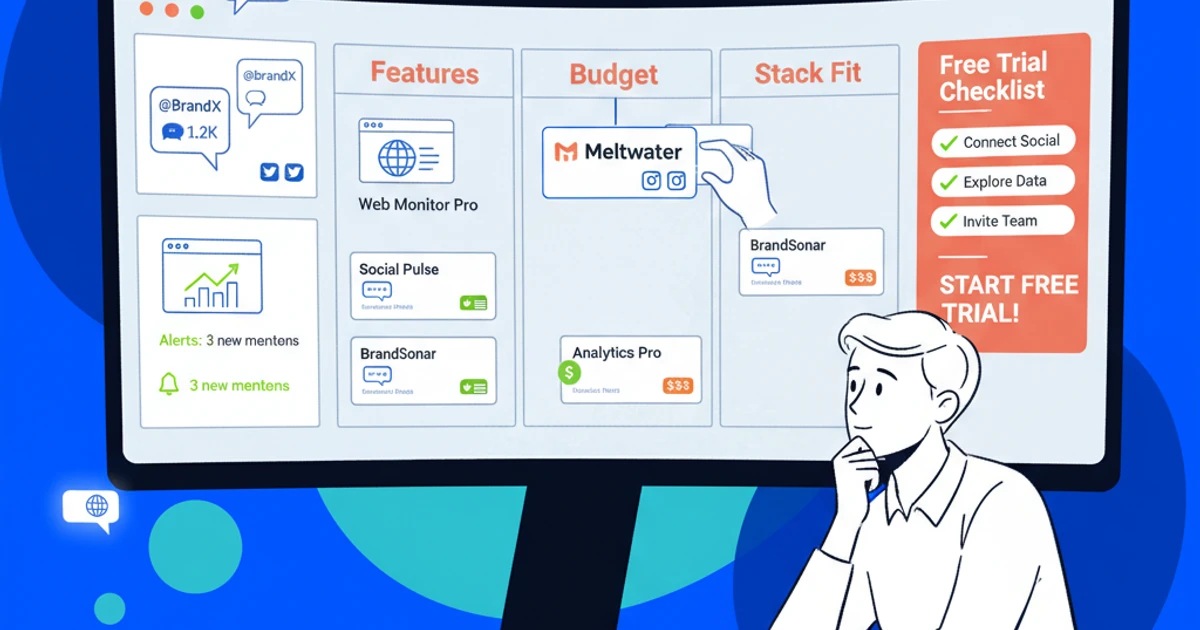
Real-time or near real-time alerts matter when you face a sudden spike in mentions. Tools like Brandwatch and Talkwalker can notify you within minutes when your brand name or product suddenly trends, giving you time to respond before a negative thread on Reddit or X grows into a PR issue.
Coverage is just as important as speed. Look for tools that pull from social networks, online news, blogs, forums, and review sites such as G2, Capterra, and Trustpilot. For example, a SaaS company might catch user complaints on Reddit and Hacker News long before support tickets appear, simply because their tool monitors those communities.
Sentiment analysis helps you quickly gauge whether mentions are positive, neutral, or negative. While AI sentiment is imperfect, platforms like Sprout Social and Meltwater let you bulk-review and correct sentiment, improving accuracy over time and giving you more reliable trend reports for quarterly reviews.
Robust reporting and data access are critical for stakeholder updates. Choose tools that let you export to CSV or connect to dashboards in Looker or Power BI. Historical data—ideally 12 to 24 months or more—lets you compare launches, crises, or campaigns year over year to prove brand impact.
Social-Only Tools vs. Full Web Monitoring Platforms
Not every team needs a heavyweight listening suite. Some brands live primarily on Instagram, TikTok, and X, while others are mentioned more in trade press, niche forums, and industry newsletters. Your choice should match where conversations actually happen.
Social-only tools such as Hootsuite or Sprout Social focus on major social networks and engagement metrics like impressions, replies, and shares. A DTC brand like Glossier, which leans heavily on Instagram and TikTok, can often get what it needs from this type of platform to track hashtag use, influencer posts, and campaign performance.
Full web monitoring platforms like Brandwatch, Talkwalker, and Meltwater extend beyond social to cover online news, blogs, podcasts, and forums. This is especially useful for B2B or regulated industries, where a single article in The Wall Street Journal or TechCrunch can matter more than a hundred tweets.
When PR is a major focus, prioritize tools with media-specific features like journalist databases, press coverage reports, and share of voice analysis against competitors. For example, a cybersecurity company tracking mentions alongside rivals such as CrowdStrike and Palo Alto Networks needs PR monitoring to understand who is winning earned media in target publications.
Budget and Tech Stack Considerations
Your budget and existing tools will narrow the field quickly. Smaller teams typically need something they can set up in an afternoon, while enterprises care more about governance, SSO, and global coverage than the lowest price point.
For small teams, tools like Brand24 or Mention often strike a good balance between affordability and coverage. They offer preset dashboards, simple alert setups, and clear pricing tiers, which works well for a two- or three-person marketing team at a local retailer or niche SaaS startup.
Enterprise teams usually require advanced permissions, multiple seats, and workflow automation. Platforms such as Sprinklr and Talkwalker support region-specific workspaces, approval flows, and legal holds, which are essential for brands operating across North America, Europe, and APAC.
Integration is where the tool either fits smoothly or becomes a silo. Check whether it connects with your CRM (HubSpot, Salesforce), helpdesk (Zendesk, Intercom), analytics (Google Analytics, Adobe), and BI tools. For instance, routing Twitter complaints into Zendesk tickets can reduce response times and provide clean data for customer experience reports.
Also think about scalability. If your brand expands to new markets or languages, you may need additional keyword sets, language support, and regional dashboards. A company that grows from only US coverage to including Canada and the UK will quickly outgrow a basic plan if mention volume doubles during major campaigns.
How to Evaluate Tools with a Trial
A trial is your chance to see how well the platform reflects your real-world mentions. Go into it with a clear test plan instead of just clicking around the interface for a few days.
Start by building precise queries for your brand name, common misspellings, product names, and key executives. For example, a brand like Salesforce would track “Salesforce,” “Sales Force,” key product names such as “Sales Cloud,” and their CEO’s name to see how accurately the tool pulls in mentions without noise.
Then compare the tool’s results with manual checks on Google, X, Reddit, and LinkedIn. If you know of recent press coverage or a viral post, verify whether the platform surfaces those mentions and how quickly. This helps you spot gaps in coverage or country-specific blind spots.
During the trial, build a basic dashboard and export a sample report. Evaluate how easy it is to filter by sentiment, region, or channel and create charts you can present in a leadership meeting. If it takes hours to set up something simple, that friction will only grow over time.
Finally, simulate your response workflow. Set up alerts for negative sentiment spikes and route them to Slack, Microsoft Teams, or your helpdesk. If alerts are noisy, delayed, or hard to tune, you may struggle to use the tool in a real crisis when every minute and every clear signal counts.
Reference: 8 best brand mention tools I'm using in 2026 (free + paid)
5. Setting Up Your Brand Mentions Tracking System
A solid tracking system turns scattered brand mentions into usable insight. Instead of reacting ad hoc on Twitter or Reddit, you’ll have a structured way to spot risks, amplify praise, and learn what customers actually say in the wild.
Think of this setup as your listening infrastructure. Once it’s in place, you can plug it into support, sales, and marketing so every team works from the same live picture of your brand’s reputation.
Create Effective Keyword Queries
Your tracking is only as good as the keywords you feed into the tool. Start with exact brand names, common misspellings, and nicknames customers use. For example, Starbucks tracks “Starbucks,” “Starbuks,” and “Starbies” because those variants show up constantly on X and TikTok.
If your brand name is a real word, add disambiguators like “Acme software,” “Acme CRM,” or “Acme logistics” to cut down irrelevant results and reduce manual cleanup for your team.
Expand beyond your corporate name to include product names, feature names, and campaign phrases. When Apple launches a campaign like “Shot on iPhone,” it tracks the slogan alongside “iPhone 15 camera” and specific feature names, so they can gauge creative performance and product feedback at the same time.
Apply this at a smaller scale too: a B2B SaaS brand might monitor “HubSpot Operations Hub” or “Zendesk macros” to surface highly targeted, purchase-intent conversations.
Include competitor brand names for benchmarking and context. Tracking “Shopify,” “BigCommerce,” and “Wix eCommerce,” for instance, lets a DTC platform compare sentiment and share of voice, then adjust messaging to highlight gaps competitors fail to cover.
Side-by-side visibility helps your sales team respond with tailored battlecards when prospects mention a rival’s limitation on LinkedIn or in niche forums.
Use modifiers and Boolean operators to reduce noise and false positives. In tools like Brandwatch or Talkwalker, you might run a query such as: ("Notion" AND "workspace") NOT ("chemical" OR "physics") to avoid irrelevant scientific mentions.
Layer in intent modifiers like “review,” “problem,” “bug,” or “alternative” so you can segment high-value conversations that warrant direct engagement or escalation.
Configure Alerts by Volume, Priority, and Channel
Unfiltered alerts quickly become chaos, so put structure around what triggers immediate attention. Set high-priority alerts for spikes in negative sentiment or sudden volume surges, especially on channels where stories spread fast like X, TikTok, or Reddit.
For example, when United Airlines faced a viral customer complaint in 2017, a surge alert tied to keywords like “boycott” and “never flying United again” could have prompted faster, coordinated response.
Differentiate alerts for major news or influencer mentions. A single TikTok from an influencer with 2 million followers about “Canva templates” can drive more impact than 200 small posts, so configure thresholds based on follower count or domain authority.
Tools such as Meltwater and Mention allow rules like “trigger an alert when a verified X account or site with DA 70+ mentions our brand,” helping comms teams prioritize meaningful coverage.
Customize alert frequency by channel and importance. You might want real-time alerts for Reddit and X, but only hourly digests for news sites and daily summaries for blogs or forums with slower traffic.
This staggered approach lets social teams act quickly where minutes matter, while PR and product teams review longer-form coverage in more measured cadences.
Avoid alert fatigue by grouping low-priority mentions into digests. For example, send a single morning email summarizing low-sentiment but low-reach mentions from Facebook groups, YouTube comments, and small blogs.
When teams only see what’s actionable, they’re far more likely to consistently review and respond, rather than ignoring a noisy inbox filled with minor chatter.
Integrate Your Tool with Key Systems
Integrations turn listening into action. Connect your monitoring tool with your CRM so important mentions are logged against contacts or accounts. If a VP of Procurement at a Fortune 500 company complains on LinkedIn, a HubSpot or Salesforce record should reflect that interaction automatically.
This context helps sales reps tailor outreach, acknowledging the issue instead of pitching blindly and risking tone-deaf follow-ups.
Integrate with helpdesk tools like Zendesk, Freshdesk, or Intercom to convert complaints into tickets. When someone tweets “My Asana project won’t load and support isn’t responding,” that post should become a support ticket with a direct link so agents can reply publicly and privately.
Assign SLAs to social-origin tickets, ensuring high-visibility issues are resolved as quickly as email or chat requests.
Pipe alerts into Slack or Microsoft Teams for real-time team collaboration. Many brands create channels like #brand-mentions or #social-escalations where marketing, support, and product can coordinate responses.
For example, Shopify’s teams use Slack extensively; routing monitoring alerts there allows a product manager to jump in when they see recurring bug reports emerging from Twitter threads.
Align with marketing automation platforms such as HubSpot, Marketo, or Klaviyo for nurturing and follow-up. If someone posts a positive review or shares a detailed case study thread on X, add them to a “brand advocates” segment for future beta invites or referral campaigns.
Conversely, users who express frustration can be enrolled in educational sequences, guiding them toward documentation, webinars, or onboarding calls tailored to their pain points.
Build Dashboards to Track Over Time
A well-structured dashboard turns individual mentions into long-term insight. Monitor total mention volume and trends over selected periods—daily, weekly, and monthly—to see how launches, outages, or campaigns shift conversation.
For instance, Netflix can correlate spikes in mentions with series releases, tracking whether buzz sustains beyond the first 72 hours or drops sharply after premiere weekend.
Track sentiment breakdowns and topic categories so you know not just how people feel, but what they’re reacting to. Segment by themes like “pricing,” “support,” “usability,” or “shipping” to see whether complaints cluster in specific areas.
A SaaS firm noticing 35% of negative mentions tied to “onboarding” could invest in better walkthroughs and welcome flows, then watch that segment’s sentiment improve over the next quarter.
Visualize share of voice versus key competitors to understand your position in the market conversation. If your brand holds 18% of category mentions while a rival holds 40%, you have clear justification for increased thought-leadership and PR initiatives.
Tracking this metric monthly helps you see if campaigns like webinars, reports, or sponsorships actually shift perception and visibility.
Highlight top channels, sources, and influencers mentioning your brand. Identify which 10–20 domains or profiles consistently drive traffic and engagement, whether that’s YouTube reviewers, niche newsletters, or specific subreddits.
Those insights feed partnership strategies: if you see recurring praise from creators like Marques Brownlee in tech or Molly Burke in accessibility, you can prioritize collaboration and deepen those relationships.
Reference: Brand Monitoring Made Easy: 5 Ways To Track ...
6. Turning Brand Mentions into Actionable Insights

6. Turning Brand Mentions into Actionable Insights
Brand mentions become powerful when you treat them as a continuous feedback loop, not just vanity metrics. Every tweet, Reddit thread, G2 review, or TikTok comment can signal what’s working, what’s broken, and where you’re losing ground to competitors.
The goal is to convert that noise into clear patterns, decisions, and measurable improvements across marketing, product, and customer experience.
Use Sentiment Analysis to Spot Trends Early
Sentiment analysis helps you understand how people feel about your brand at scale. By tracking positive, neutral, and negative mentions over time, you can see whether perception is improving or slipping. Tools like Brandwatch and Sprout Social chart sentiment lines so you can quickly spot unusual spikes.
For example, Netflix closely monitors social sentiment around new releases. A sudden drop in positive sentiment after a season launch can trigger deeper analysis into plot backlash, pricing complaints, or regional availability issues.
Those trends also reveal emerging issues before they turn into PR crises. When United Airlines faced viral customer complaints, social listening could have flagged the issue earlier as negative sentiment surged. Linking sentiment dips to specific campaigns, feature launches, or outages helps teams pinpoint root causes and respond with targeted messaging or fixes.
Identify Patterns and Themes
Raw mentions only become useful when you group them into themes and recurring topics. Categorize conversations into buckets like pricing, product bugs, customer support, UX confusion, and brand reputation to see where volume clusters. Tools such as Talkwalker and Brand24 can auto-tag these themes at scale.
This makes it easier to extract common questions and objections. For instance, HubSpot has used social and community feedback to discover repeated confusion about CRM setup steps, then turned those insights into new help docs and onboarding flows.
Log feature requests and pain points in a shared roadmap tool, and map each mention to customer journey stages—awareness, consideration, onboarding, renewal. If you notice most complaints arise during onboarding, product and CX teams know exactly where to prioritize improvements.
Measure Share of Voice
Share of voice (SOV) shows how much of the category conversation your brand owns compared with competitors. Track not just mention volume, but also sentiment for your brand versus rivals. For example, in many social listening reports, Coca-Cola and Pepsi are benchmarked side by side on SOV during major sports events or holidays.
Break SOV down by channel (X, Instagram, Reddit, review sites) and by geography to uncover where you’re strong or invisible. A B2B SaaS firm might find it dominates LinkedIn chatter in North America but lags badly in EMEA, signaling a need for regional campaigns or local-language content.
These trends act as a proxy for brand health. If competitors like Monday.com or Asana start to dominate project management conversations on Reddit and Product Hunt, you can analyze why—are they launching more integrations, doing better influencer partnerships, or offering clearer pricing?
Report Insights Across the Organization
Insights only matter if the right teams see them and act. Package brand mention data into simple, regular summaries tailored to marketing, sales, product, and leadership. A concise monthly deck or dashboard works better than raw exports that no one reads.
Highlight notable wins, emerging risks, and verbatim customer quotes. For instance, share a spike in positive mentions around a new Adobe Photoshop feature alongside a few standout social posts to reinforce what resonated.
Translate patterns into clear recommendations: adjust messaging to address repeated objections, refine pricing pages based on confusion, or prioritize product fixes tied to negative threads. Track the same metrics over time—sentiment, SOV, recurring themes—so teams can see whether actions taken are actually improving public conversation about the brand.
Reference: The Complete Guide to Brand Mentions - cision.asia
7. Responding to Brand Mentions: Playbooks for Different Scenarios
Handling Positive Mentions
Positive mentions are opportunities to build loyalty in public. When someone praises your product on X or LinkedIn, respond directly, use their name, and thank them. Starbucks often replies to customer shoutouts with a short, friendly note, which encourages more people to post their own experiences.
Go beyond a thank-you by asking a light follow-up question or sharing a tip. If a marketer posts a detailed LinkedIn review of your SaaS tool, comment with appreciation and ask how it impacted a specific KPI. Then, with permission, repost standout mentions and tag them, gradually identifying superfans you can invite into beta programs or advocacy campaigns.
Managing Negative Mentions and Complaints
Negative mentions require speed and empathy. Comcast and Delta both have dedicated support handles that respond within minutes, acknowledging the issue and validating the customer’s frustration. A simple “You’re right, this isn’t the experience we want for you” goes further than a canned apology.
For complex billing or security issues, invite the person to DM or email so you can request account details privately. Offer clear next steps like a replacement, refund review, or ticket number, then return to the public thread with a brief update once resolved. This shows observers that issues are actually fixed, not just brushed aside.
When to Escalate
Some mentions carry legal, regulatory, or reputational risk. Accusations of fraud, data breaches, or copyright violations should trigger an escalation path. When Equifax’s breach surfaced, legal, PR, and security teams coordinated every public statement to avoid missteps that could worsen liability.
Define crisis thresholds for volume, reach, and severity—such as more than 50 angry posts per hour, or a complaint from a verified journalist. Route these to legal, PR, and senior support in a shared Slack or Teams channel so messaging stays aligned across press statements, help center updates, and social replies.
Response Best Practices
Across all scenarios, keep your voice human, respectful, and transparent. Innocent Drinks and Slack’s support team are good examples: short sentences, no corporate jargon, and clear ownership of mistakes. Match your response times to channel expectations—minutes on X, a few hours on Instagram, 24 hours for email—anchored to internal SLAs.
Avoid defensive arguments or robotic scripts that repeat the same line to every user. After spikes in mentions, document what worked in a short retro: sample replies, questions that caused confusion, and gaps in your FAQ. Use these learnings to refine templates, macros, and training so each new interaction becomes smoother than the last.
Reference: 7 ways to grow brand mentions, a key metric for AI ...
8. Using Brand Mentions to Drive Growth, Links, and Revenue
Turn Unlinked Mentions into Backlinks
Brand mentions without links are low-hanging fruit for SEO growth. Start by using tools like Ahrefs Alerts, Semrush Brand Monitoring, or Google Alerts to find pages that talk about your brand but don’t link back to your site.
Filter these opportunities by relevance and authority. For instance, if HubSpot sees a mention on a DR 80 marketing blog, that outreach gets priority over a small personal site that rarely updates content.
Build a simple outreach workflow: a friendly email, a short explanation of why a link helps their readers, and a suggested URL. Track new links in a spreadsheet or CRM, then watch ranking and organic traffic changes with Google Search Console.
Leverage Mentions as Social Proof
Brand mentions also act as powerful social proof when used thoughtfully in marketing assets. Curate quotes from G2, Capterra, or Trustpilot and turn them into testimonials and mini case studies on key landing pages.
For example, Slack highlights quotes from companies like Expedia and Autodesk to validate performance and reliability. You can embed public X (Twitter) posts or LinkedIn shout-outs directly on product pages to show real customers in the wild.
Before using user-generated content, check each platform’s terms and, when in doubt, request permission via DM or email. This avoids legal friction and shows respect for the creator’s work.
Identify Influencer, Partner, and Affiliate Opportunities
Recurring brand mentions often signal your best future partners. Use tools like Brand24 or Brandwatch to find creators, newsletter writers, and podcasters who already talk about you positively.
When Notion noticed consistent YouTube reviews from productivity creators, it leaned into co-marketing videos and templates, which helped expand its user base globally. You can mirror this by offering custom discounts, early access, or revenue-share affiliate deals.
Document these relationships in a partner database with fields for audience size, niche, and performance metrics. Over time, this becomes a structured influencer or affiliate program rather than one-off collaborations.
Track Revenue Impact from Mentions
To turn brand mentions into a reliable growth channel, you need clear attribution. Use UTM parameters on links in podcasts, newsletters, or influencer content, then track performance in Google Analytics or your CRM.
Shopify, for example, often uses unique landing pages and referral codes with creators so it can see which campaigns drive paid store subscriptions. SaaS teams can go a step further by tagging deals in HubSpot or Salesforce with the originating mention source.
Review which mentions drive trials, demos, and closed-won revenue, not just clicks. Double down on sources with strong pipeline impact, and trim spend on channels that generate vanity traffic without conversions.
Reference: 8 reliable, proven methods to increase brand awareness
9. Advanced Brand Mention Strategies for SEO and PR
How Google Treats Brand Mentions and Implied Links
Google increasingly relies on entity recognition, so consistent brand mentions across the web help it understand who you are and what you’re known for. Even unlinked mentions on news sites, podcasts, and forums can strengthen this entity signal.
For instance, HubSpot is referenced across thousands of SaaS comparison articles, often without links, reinforcing its association with “CRM” and “marketing software.” These implied links support authority and topical relevance, but they don’t fully replace traditional backlinks.
The most effective brands combine mentions and links. When Shopify is cited in eCommerce case studies with both a link and brand reference, Google sees a clearer relationship between the brand, the topic, and user intent, which can support stronger rankings for related queries.
Combine Brand Mention Data with Keyword and SERP Analysis
Brand mention monitoring becomes powerful when you connect it to keyword data and real SERPs. Start by mapping themes from your mentions to specific, high-intent keywords using tools like Semrush or Ahrefs.
If you notice your cybersecurity brand mentioned around “SOC 2 compliance checklist,” treat that as a signal to build content targeting that keyword. Check the SERP to see if you appear alongside competitors like Vanta or Drata and what formats rank—guides, tools, or templates.
Then look for overlap between high search demand and topics where you’re already mentioned. If reviewers mention your feature set but no detailed comparison pages exist, that’s a content gap worth filling with optimized comparison guides and targeted outreach to those same publishers.
Use Brand Mentions to Inform PR and Content Campaigns
How people talk about your brand in reviews, Reddit threads, and G2 profiles is a goldmine for PR angles and content ideas. Patterns in that language reveal what actually resonates.
For example, Notion noticed users constantly describing it as a “second brain” and leaned into that phrase in content and influencer partnerships. You can do the same by turning recurring narratives—like “fast support” or “transparent pricing”—into thought leadership pieces, webinar topics, and pitch hooks for journalists.
When notable outlets such as TechCrunch or Wired mention you, weave those quotes and logos into your newsroom, sales decks, and landing pages. Align your content calendar with the questions and concerns you see in those mentions so blog posts and PR hits echo real audience language, not internal jargon.
Monitor Competitor Brand Mentions
Tracking competitor mentions shows you where the market feels underserved and where you can reposition. Social listening tools like Brandwatch or Meltwater can surface complaints, praises, and feature requests in real time.
If you’re in project management and see repeated Asana reviews complaining about complex workflows, that’s an opportunity to emphasize simplicity in your messaging and product tours. When customers praise Monday.com’s templates, you might respond by launching more industry-specific templates and highlighting them in comparison content.
These insights can also reveal partnership and feature gaps. For example, if users keep asking why a competitor doesn’t integrate with a specific CRM, prioritizing that integration and announcing it through a PR campaign can win frustrated switchers who feel unheard elsewhere.
Reference: How to earn brand mentions that drive LLM and SEO visibility
Conclusion: Bringing Your Brand Mentions Strategy Together
A strong brand mentions strategy pulls together listening, analysis, and action into one repeatable system. Instead of treating mentions as random noise, you’re turning them into a continuous stream of customer insight and reputation signals.
When this system is in place, marketing, support, and PR all work from the same source of truth. That’s how brands like Spotify and Airbnb quickly spot issues, amplify praise, and tie conversations back to measurable results.
Key Takeaways About Brand Mentions
Brand mentions are the public breadcrumbs of your reputation. Whether someone tags you on X, references your product in a Reddit thread, or reviews you on G2, each mention signals trust, awareness, or concern.
For example, when Zoom’s usage exploded in 2020, third-party mentions in the press and on Twitter became a leading indicator of market dominance, well before quarterly reports did. Treat these signals as early-warning and early-opportunity indicators.
Key Takeaways on Tracking Effectively
Effective tracking starts with clarity. Decide whether you care most about customer support, competitor benchmarking, PR risk, or all three, then configure your tools around those goals.
A B2B SaaS company might combine Brand24 for social listening with Google Alerts for news, feeding both into a Slack channel. That way, when a user complains on X about a bug, support jumps in within minutes instead of days.
Key Takeaways on Turning Data into Action
Raw mentions only become valuable when you extract sentiment, themes, and share of voice. Use tagging inside tools like Brandwatch or Sprout Social to group mentions by product, campaign, and intent.
Shopify, for instance, highlights merchants’ success stories mentioned on social, then repurposes them as case studies and ad creative. Those same mentions double as social proof, driving clicks and sign-ups in retargeting campaigns.
Next Steps
Begin by auditing the last 30–60 days of mentions across X, LinkedIn, Reddit, review sites, and Google News. You’ll usually uncover recurring questions, misconceptions, or advocates you’ve never acknowledged.
Then set up a minimal stack: one listening tool, one shared Slack/Teams channel, and a simple response playbook. Assign clear owners so a product complaint on Reddit or a positive TikTok doesn’t sit unanswered.
Long-Term View
The long-term goal is to evolve from reactive monitoring to proactive brand building. As volume grows, refine Boolean queries, add language filters, and document playbooks for crises, product launches, and influencer engagement.
Over time, fold brand mention insights into roadmap planning, messaging tests, and customer marketing. When leadership asks what people really think of your brand, you’ll have data, examples, and trend lines instead of opinions.
FAQs About Tracking and Using Brand Mentions
How Often Should I Track Brand Mentions, and Who Should Own It Internally?
Brand mentions shift quickly across social, news, and forums, so you need an always-on setup. Many teams use tools like Brand24 or Brandwatch to run continuous listening, then review a daily or twice-daily digest. For critical issues—like a spike in complaints about shipping delays—you can trigger instant alerts to Slack or email so someone jumps on it within minutes, not days.
Ownership usually sits with marketing or communications, with PR and customer support heavily involved. For example, HubSpot’s social team monitors mentions, while support handles service issues and PR steps in for press or crises. Create a rota or backup list so coverage doesn’t disappear during vacations or busy campaign periods.
Why Use a Brand Mentions Tool Instead of Relying Only on Social Platform Notifications?
Native notifications on Instagram, X, or LinkedIn only show tagged or direct mentions. You’ll miss untagged chatter like “thinking of switching from Mailchimp” or Reddit threads discussing your product. Dedicated tools crawl news sites, blogs, podcasts, and review platforms, then centralize everything in one dashboard.
Solutions such as Sprout Social or Meltwater add sentiment analysis, historical trends, and share-of-voice comparisons. That lets you see whether you’re gaining ground on competitors like Canva or Adobe, or if a negative TechCrunch article is dragging sentiment down across channels.
How Do I Track Brand Mentions If People Misspell or Shorten My Brand Name?
People rarely type brand names perfectly, especially on mobile. In your monitoring tool, include common errors, abbreviations, and nicknames—think “Grammrly,” “Gramarly,” or simply “Grammarly app.” Starbucks, for instance, also tracks “Starbuks,” “Starbucks coffee,” and “Starbs” to capture casual mentions.
Use Boolean operators and wildcards where possible, such as “gramm*ly” OR “gramerly” OR “grammarly.” Review your weekly or monthly reports and scan manually for odd but repeated variants so you can add them to your saved searches and gradually improve coverage.
When Should I Respond to a Brand Mention, and When Is It Better Not to Engage?
Engage when you can help, clarify, or build goodwill. If a customer tweets “My Shopify store checkout keeps failing,” that deserves a fast, helpful response and possibly a DM follow-up. Positive shout-outs—like a marketer praising your webinar on LinkedIn—are also worth a quick thank-you or extra resource link.
Skip obvious trolls or bad-faith attacks, where replying only amplifies negativity. Many companies, including Netflix and Wendy’s, use internal playbooks: they reply to genuine questions, escalate legal or safety issues, and ignore off-topic pile-ons. Document similar rules so your team responds consistently and doesn’t argue online.
How Can I Measure the ROI of Monitoring and Acting on Brand Mentions?
To prove value, tie specific mentions to measurable outcomes. Use trackable links (UTMs) when responding, so you can see traffic, signups, or demo requests in Google Analytics or HubSpot. For example, after Zendesk jumped into a popular X thread about support tools, they could track new trial signups from that conversation.
Monitor sentiment and share of voice via tools like Brandwatch over quarters, not days. Log saved churn cases—such as a $10,000 ARR customer retained after you resolved an issue spotted on Reddit—and compare these wins against the cost of your monitoring software and team time.
How Do Brand Mentions Impact SEO Compared to Traditional Backlinks?
Backlinks remain one of Google’s strongest ranking signals; high-quality links from sites like The Verge or Wired are easier to measure directly in tools like Ahrefs or Semrush. Non-linked brand mentions, however, still help search engines understand your entity, expertise, and relevance across topics.
Mentions often come first, then links follow. If a journalist repeatedly references Figma in design roundups, those mentions build familiarity and can later turn into linked product reviews or tool lists. The strongest strategy deliberately combines both—earning coverage that mentions your brand and negotiating to convert those mentions into actual hyperlinks when appropriate.